

Vintage Furniture Upcycling: How to Transform Old Pieces Into Modern Treasures
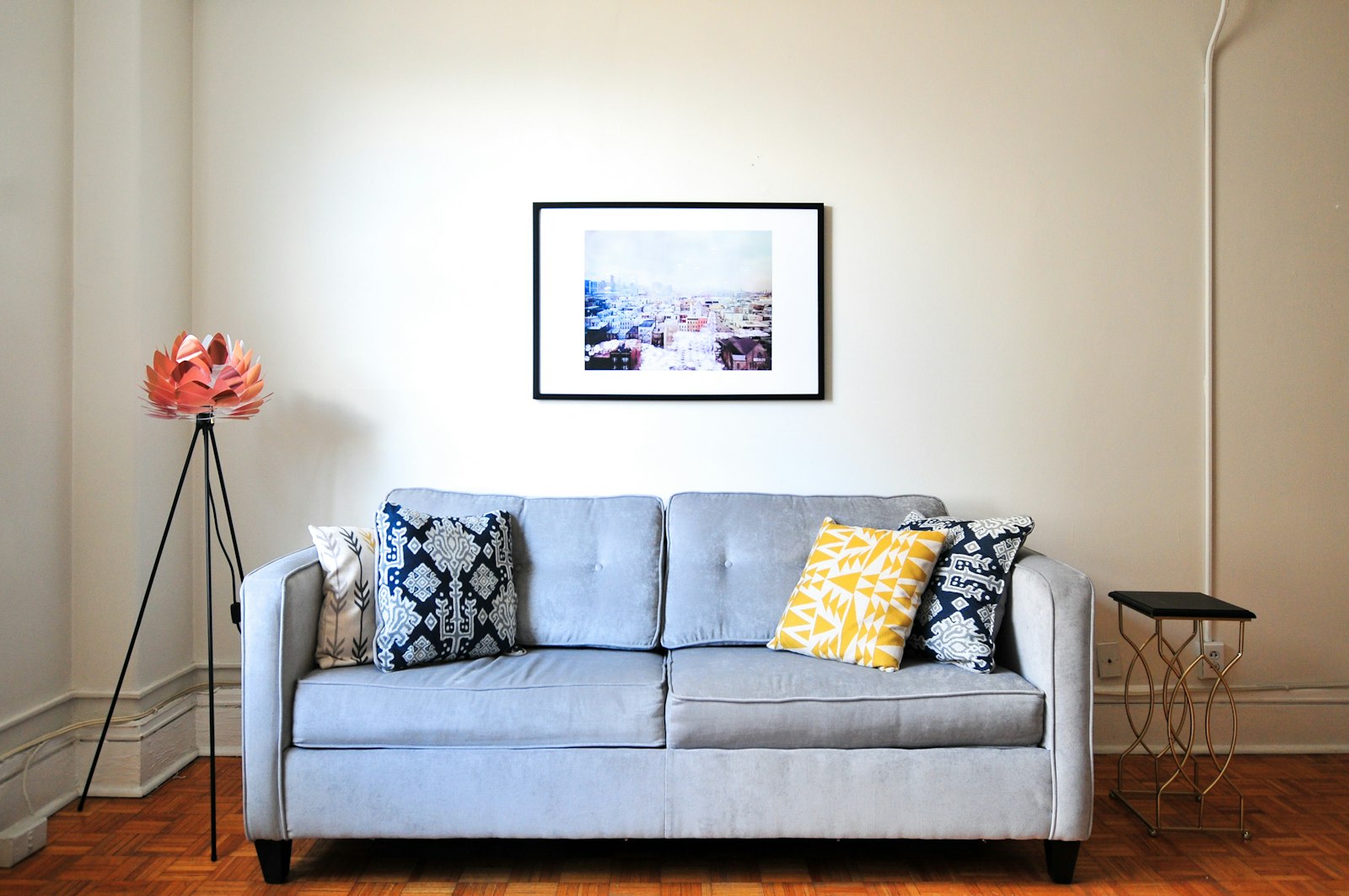
There is something profoundly satisfying about taking a piece of furniture that the world has discarded and transforming it into something beautiful, functional, and cherished. Vintage furniture upcycling sits at the intersection of creativity, sustainability, and craft — it is one of the most rewarding home improvement pursuits available to anyone willing to invest a little time and elbow grease. Beyond the personal satisfaction, upcycled furniture has a soul and character that new furniture almost never achieves straight from the factory floor. Each scratch tells a story. Each imperfection is evidence of a life well lived. And when you are the one who brings that piece back to life, you become part of that story yourself.
Where to Find Vintage Furniture Worth Upcycling
The first step in any upcycling project is finding the right piece, and the good news is that beautiful, well-made vintage furniture is more accessible than ever. Thrift stores and charity shops are the most obvious starting point — they receive donations constantly and often have genuinely excellent pieces hiding beneath layers of outdated paint or worn upholstery. The key is to look past the surface condition and evaluate the bones: is the structure solid? Is the joinery tight? Are the proportions beautiful? A piece with good bones and poor finish is a perfect candidate for upcycling.
Estate sales are another excellent source, often offering furniture with excellent provenance and quality craftsmanship at very reasonable prices. Online marketplaces like Facebook Marketplace, Craigslist, and local buy-and-sell groups regularly feature pieces that owners want gone quickly and cheaply. Flea markets and antique fairs offer a more curated selection, though prices tend to be higher. And do not overlook the curb — people put genuinely wonderful furniture out for collection every week, and a piece that looked tired in its previous context can become extraordinary in a new one.
Evaluating a Piece Before You Buy
Not every old piece of furniture is worth upcycling. Before you commit to buying something — or hauling it home from the curb — take a few minutes to evaluate it carefully. Check the structure first: sit in chairs, push on table legs, open and close drawers. Any wobble in the joints or frame should be assessed — minor wobbles can usually be fixed with wood glue and clamps, but severely compromised structure may not be worth the effort. Check for wood rot, particularly on pieces that may have been stored outdoors or in damp conditions.
Assess the upholstery on sofas and chairs. Re-upholstering can transform a piece completely, but it is a significant undertaking that requires either professional help or considerable skill and patience. If you are not prepared to reupholster, look for pieces with upholstery in decent condition or pieces that are structurally beautiful enough to be stripped and used as wooden frames. Finally, consider the proportions and scale of the piece. Will it fit in the space you have in mind? Do its proportions feel right for the room and the other furniture it will share a space with?
The Essential Techniques: Painting, Staining, and Refinishing
Once you have your piece, the most common transformation technique is painting. A coat of chalk paint in a beautifully chosen color can completely transform a tired dresser, side table, or cabinet. Chalk paint adheres to almost any surface without priming, dries to a beautiful matte finish, and can be sealed with wax for durability. Colors that work particularly well for vintage furniture upcycling include warm whites and creams, dusty sage and eucalyptus greens, deep navy and midnight blue, and warm terracotta and blush tones.
If the wood underneath your vintage piece is beautiful — a warm walnut, a rich mahogany, a honey-toned oak — stripping the old finish and refinishing the bare wood is almost always the better choice. Stripping involves applying a chemical stripper or using a heat gun to remove old paint or varnish, sanding to a smooth surface, and then applying a new finish: a Danish oil for a natural, penetrating look, a hard wax oil for a durable matte finish, or a lacquer for a more polished appearance. The process requires patience but the results — the original wood revealed in its full beauty — are deeply rewarding.
Hardware: The Detail That Makes the Difference
One of the simplest and most cost-effective ways to transform a vintage piece of furniture is to change the hardware. Replacing old, worn, or dated handles and drawer pulls with beautiful new ones takes thirty minutes and costs very little, but the visual impact can be extraordinary. Brushed brass hardware on a painted white dresser. Aged bronze pulls on a deep navy cabinet. Ceramic knobs on a farmhouse-style hutch. Matte black bar pulls on a mid-century modern sideboard.
Hardware is available in an enormous range of styles, materials, and finishes, from budget-friendly options at hardware stores to artisan-made ceramic and hand-forged metal pieces from independent makers. Spend time choosing hardware that feels right for both the piece and the room it will live in — this small detail will determine whether your upcycled furniture looks truly finished and professional or simply repainted.
Re-upholstery and Fabric Updates
For chairs, stools, ottomans, and sofas, the ability to replace the upholstery fabric is transformative. A classic wooden chair with a drop-in upholstered seat can be completely refreshed by unscrewing the seat pad, removing the old fabric, cutting new fabric to size, and stapling it tautly in place. This is a genuinely beginner-friendly project that can be completed in an afternoon and costs very little. The fabric choice is everything: a simple chair in a beautiful, textured fabric — a sophisticated linen, a small-scale geometric, a rich velvet — becomes a design statement rather than just a functional piece.
Conclusion
Vintage furniture upcycling is one of the most creative, sustainable, and personally satisfying forms of home decoration available to us. It asks us to slow down, pay attention, and engage with the material world in a hands-on way that most modern life does not offer. And the results — one-of-a-kind pieces with history, character, and your own creative signature — are the most personal and beautiful additions any home can have.
Explore our curated collection at Little-Chapter.com for beautiful hardware, paint supplies, fabric swatches, and finishing products to help bring your upcycling vision to life.