

Minimalist Living Room Design: How to Create a Calm, Purposeful Space
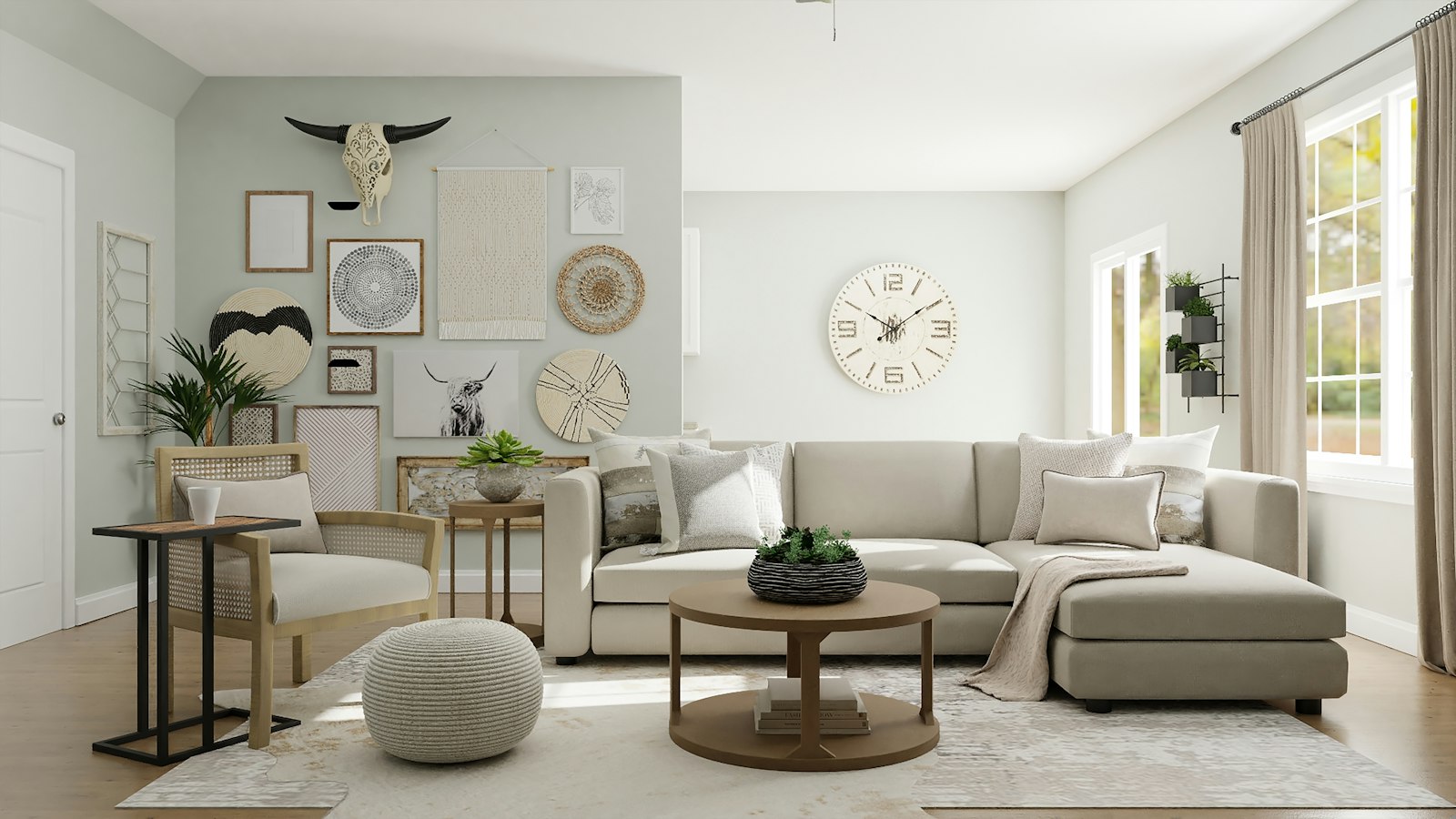
There is a quiet kind of power in walking into a room that contains only what it needs. No clutter competing for your attention, no surfaces buried under things that haven't been touched in months — just open space, considered objects, and a sense of ease that washes over you the moment you cross the threshold. Minimalist living room design is not about deprivation. It is about intention, and once you understand that distinction, everything changes.
We live in a culture that celebrates accumulation. More furniture, more throw pillows, more decorative objects stacked on every surface. Yet so many of us feel overwhelmed in our own homes, unable to fully relax because there is simply too much visual noise. Minimalism offers a different path — one that prioritizes how a space feels over how much it holds.
Understanding the True Spirit of Minimalism
Before you start pulling furniture out of your living room, it helps to understand what minimalism actually means. At its core, minimalist design is about removing anything that does not serve a clear purpose — functional, aesthetic, or emotional. The word minimalist does not mean cold, sterile, or uncomfortable. Some of the warmest, most inviting rooms in the world are minimalist in spirit.
Think of a Japanese tea room, where every element — the single hanging scroll, the clay teacup, the light filtering through a paper screen — has been chosen with deep care. Or a Scandinavian cabin where a single wool throw draped over a simple wooden chair creates a scene of perfect, unhurried coziness. These spaces are minimal because they are curated, not because they are empty.
The goal in your living room is to reach that same quality of curation. Every piece of furniture, every accessory, every lamp and side table should earn its place. If something is there purely out of habit — because it was there before you thought about it — that is a signal to look more closely.
Starting with a Blank Slate: The Edit-First Approach
The most effective way to begin a minimalist living room project is to take everything out, or at least to mentally start from zero. Rather than adding pieces to create a more minimal look, start by subtracting. Walk through your living room with fresh eyes and ask yourself: if this room were empty, which items would I consciously choose to bring back in?
This is not always a comfortable exercise. We form attachments to objects, and those attachments are valid. But the edit-first approach forces you to be deliberate. A sofa that you genuinely love and that serves your daily life belongs in the room. A bookshelf you keep because it seemed a shame to get rid of it may not.
Once you have identified the pieces that truly belong, the layout becomes clearer. In a minimalist living room, furniture arrangement should prioritize flow and function. Leave generous space around each piece. Resist the urge to push everything against the walls — floating a sofa into the room with breathing space on all sides often feels more intentional and considered than lining every wall with furniture.
The Role of Color in Minimalist Interiors
Color is one of the most powerful tools in minimalist design, and the conventional wisdom — stick to white and beige — only tells part of the story. Yes, neutral palettes are common in minimalist spaces because they create visual calm and allow architectural details to speak. But minimalism is equally compatible with a deeply saturated room painted in a single bold hue, where the commitment to one strong color creates the same sense of quiet focus as a pale, neutral palette.
What makes a color palette feel minimalist is restraint and cohesion rather than lightness. Choose two to three colors and commit to them throughout the space. If your sofa is a warm greige, let that tone inform your rug, your art, your accent pieces. When colors are not fighting one another for attention, the room naturally settles into a calmer register.
Natural materials — raw linen, undyed wool, unfinished wood, stone — carry their own quiet beauty and blend effortlessly into a minimalist palette. Texture becomes the primary means of visual interest when pattern and color are held back, so layering different natural textures creates richness without complexity.
Furniture Selection: Fewer, Better Pieces
In a minimalist living room, each piece of furniture carries more visual weight than it would in a busier space, which means the quality of your selections matters enormously. A sofa with beautiful proportions and exceptional upholstery will anchor the room and carry it. A poorly made sofa, even in a neutral color, will undermine the entire effect.
Look for furniture with clean lines and honest construction — pieces where the structure is the design, rather than pieces with excessive ornamentation applied to mask poor form. Low-profile sofas and armchairs tend to feel more expansive in a minimalist context because they leave more of the wall visible and allow light to travel freely through the room. Legs on furniture, rather than skirts or solid bases, reinforce that same sense of lightness and openness.
Multipurpose pieces are a minimalist's best friend. An ottoman that works as a coffee table and extra seating, a side table with a small drawer for remote controls and charging cables — these pieces reduce the total number of items in the room without reducing functionality. In a minimalist space, smart design thinking and intentional editing work hand in hand.
Lighting as Architecture
Nothing transforms a minimalist living room more dramatically than thoughtful lighting. In spaces where decorative objects are deliberately few, light itself becomes a design element — the way it falls across a textured wall, pools on a wooden floor, or catches the edge of a carefully placed lamp creates a visual richness that requires no additional clutter.
Layer your lighting: ambient light from a ceiling fixture or recessed lights establishes the baseline, task lighting from a floor lamp or table lamp adds warmth and purpose, and accent lighting — a small spotlight trained on a piece of art, an LED strip under a floating shelf — adds depth and drama. In a minimalist room, each light source should be deliberately placed and deliberately shaped. A single beautiful floor lamp in the corner of a room, casting a warm cone of light, does more for atmosphere than a roomful of mismatched lamps.
Natural light is the most precious resource in any home, and in a minimalist living room it should be celebrated and protected. Keep window treatments simple — sheer linen panels that filter light softly, or clean-lined roller blinds that disappear entirely when raised. Avoid heavy drapery that blocks light and makes windows feel smaller than they are.
The Art of Purposeful Display
A minimalist living room is not a room without art or objects — it is a room where art and objects are given the space to be truly seen. One substantial piece of art on a wall, hung at the correct height with generous breathing room on all sides, will have far more impact than a crowded gallery wall of small prints. A single sculptural object on a coffee table, or a small grouping of three carefully related items, creates a composed scene rather than a jumble.
When selecting what to display, think in terms of meaning and quality rather than quantity. Objects with a personal story, pieces made by skilled hands, things that represent something you genuinely love — these are the objects that bring a minimalist room to life without cluttering it. Rotate your displays seasonally if you have pieces you love but don't want to show all at once. The act of rotating keeps the room feeling fresh and allows each object to be noticed and appreciated.
Living Minimally Every Day
The most important thing to remember about minimalist living room design is that it is a practice, not a destination. A room that feels beautifully edited today can creep back toward clutter over time as life accumulates around us. Building small habits — putting things away immediately, questioning every new purchase before it enters the space, doing a seasonal edit of what belongs and what doesn't — keeps the room in a state of calm without requiring constant major overhauls.
The reward for this ongoing attention is a living room that genuinely restores you. A space where you can breathe, think clearly, and feel at home in the most literal sense of the phrase. That kind of calm is worth every intentional choice it takes to create it. Explore our curated collection at Little-Chapter.com for beautifully designed pieces that bring minimalist warmth to every corner of your home.