

Layering Rugs for Depth and Visual Interest in Every Room
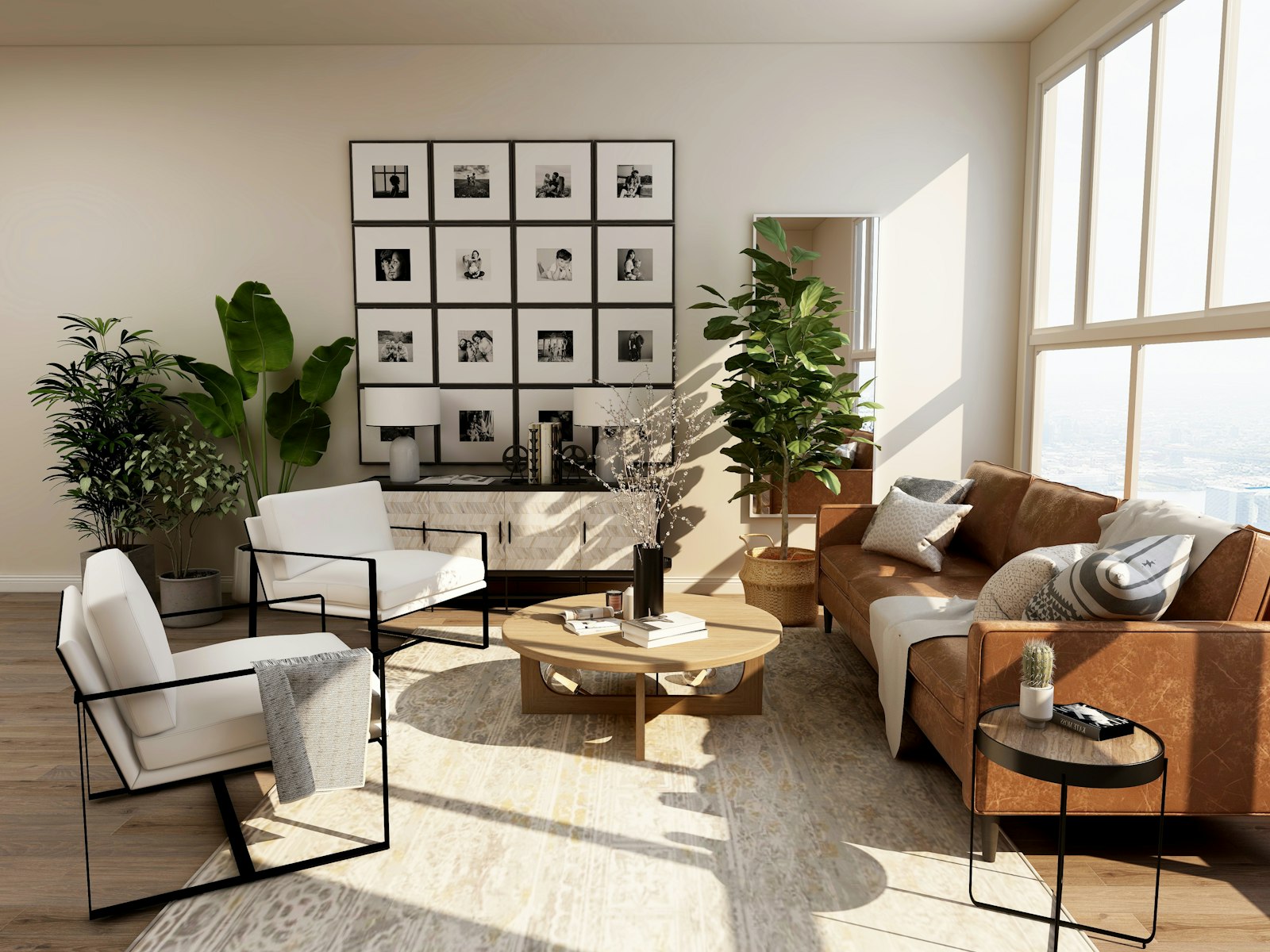
The practice of layering rugs — placing one rug on top of another to create a more complex, textured, and visually interesting floor treatment — has become one of the most discussed and debated techniques in contemporary interior design. For some, it is an obvious design move: a way to add depth, warmth, and personality to a room while being practical enough to protect more expensive rugs and flexible enough to change with the seasons or your design mood. For others, it feels counterintuitive or excessive — why use two rugs when one should be enough? This guide will show you not just how to layer rugs effectively, but why it is one of the most powerful and accessible techniques available for transforming the character of any room.
Why Layer Rugs? The Design Case
Before getting into the how, it is worth understanding the why. Layering rugs adds visual depth to a room in a way that a single rug simply cannot. When two rugs are layered, the eye is given more to engage with: the base rug defines the space and provides grounding, while the top rug adds color, pattern, and character. The border of the bottom rug peeking out from beneath the top creates a framing effect that makes the floor treatment feel intentional and designed rather than simply functional.
Layering also solves practical problems elegantly. A beautiful but delicate vintage rug can be protected from heavy foot traffic and furniture legs by placing it over a more durable base rug. A large area rug in a neutral color can be refreshed without replacement by adding a smaller, patterned rug on top. A seasonal refresh can be achieved by simply swapping the top rug — a warm, textured wool rug in winter replaced by a lighter cotton or jute rug in summer. The flexibility and economy of rug layering is as compelling as its aesthetic appeal.
Choosing the Base Rug
The base rug is the foundation of the layered arrangement, and it should typically be larger, more neutral, and more durable than the rug placed on top of it. Natural fiber rugs — jute, sisal, seagrass, and hemp — are ideal base rugs for several reasons. They are durable, relatively inexpensive, and their neutral, organic texture works as a harmonious base for virtually any rug you place on top. Their rougher surface texture also helps hold the top rug in place, reducing slipping and bunching.
A large flat-weave cotton rug in a solid neutral — white, cream, or natural — is another excellent base option, particularly for those who prefer a softer texture underfoot. Sisal and jute rugs are particularly effective as base rugs because their tight, flat weave creates a surface that is stable and visually calm, allowing the top rug to take center stage without the base rug competing for attention.
Choosing the Top Rug
The top rug is where personality enters the equation. This is the rug that adds color, pattern, and visual interest to the layered arrangement, and it should be smaller than the base rug — typically enough smaller that a border of at least six to twelve inches of the base rug is visible on all sides. The most beautiful top rugs for layering are vintage or antique pieces: Turkish kilims, Persian flatweaves, Moroccan Beni Ourain rugs, and hand-knotted rugs from Central Asia or the Caucasus. These pieces have a warmth and depth of character that modern machine-made rugs cannot match, and they look extraordinary layered over a simple jute or sisal base.
The contrast between the top and bottom rug is what makes the arrangement sing. A warm, richly patterned vintage kilim over a simple natural jute creates a beautiful interplay of the traditional and the organic. A simple, minimal patterned rug over a more textured base creates a subtler effect. A brightly colored, bold-patterned rug over a cool, neutral base creates maximum drama.
Getting the Scale and Placement Right
Scale and placement are critical in rug layering. The base rug should be large enough to anchor the furniture grouping — in a living room, this typically means all or most of the key furniture pieces sitting on it. The top rug should then be placed within the furniture grouping, centered on a coffee table or other focal point, with its edges falling inside the base rug's edges by a comfortable margin.
The placement does not have to be perfectly centered — a slightly angled or asymmetric placement of the top rug can feel more casual and relaxed, which suits the boho or eclectic interiors where rug layering is particularly at home. In more formal or structured interiors, a precise center placement maintains the symmetry and order that the design requires.
Rug Layering in Different Rooms
While the living room is the most obvious space for rug layering, the technique works beautifully throughout the home. In the bedroom, a large natural fiber rug beneath the bed with a smaller, softer rug positioned at the bedside creates warmth and interest without the cost of a single large, beautiful rug. In the dining room, a large flat-weave base rug beneath a smaller patterned rug creates a beautiful, layered floor treatment that frames the table. Even in bathrooms and entryways, a small layered rug arrangement can add a charming, considered detail to an often-overlooked space.
Conclusion
Layering rugs is a technique that rewards experimentation. Start with a simple combination — a neutral jute base and a colorful vintage kilim on top — and notice how the floor of the room is immediately transformed. Add a layer of interest, warmth, and character that a single rug cannot provide. Adjust, rearrange, and swap as your taste evolves.
Explore our curated collection at Little-Chapter.com for beautiful natural fiber base rugs, vintage-style kilims, and artisan-woven rugs perfect for layering in any room of your home.