

Japandi Interior Philosophy: Where Japanese Wabi-Sabi Meets Scandinavian Hygge
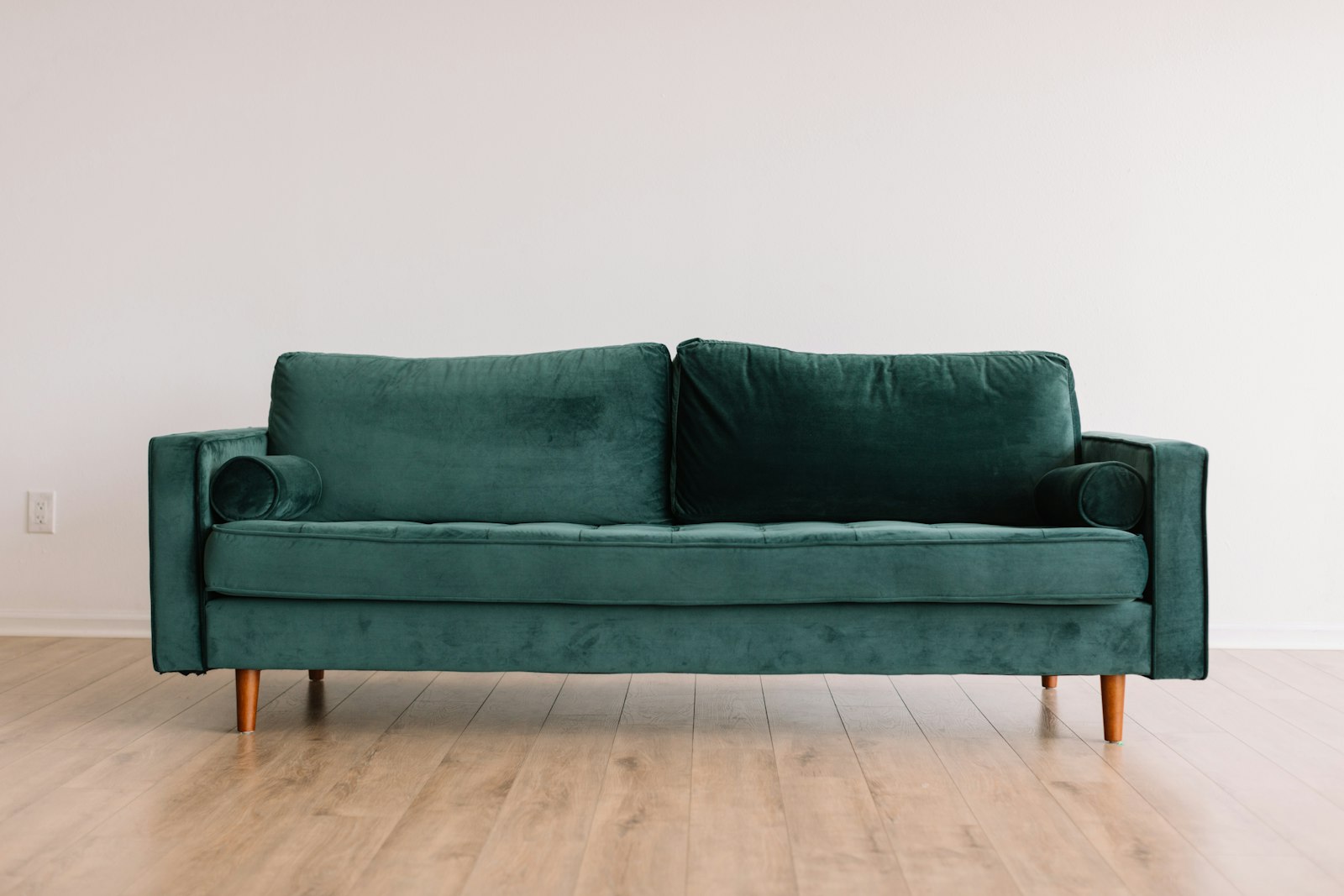
Somewhere between the spare, meditative beauty of Japanese interior design and the warm, functional elegance of Scandinavian style, a new aesthetic has emerged that manages to feel both ancient and entirely contemporary. Japandi — a portmanteau of Japanese and Scandinavian — is not simply a trend but the expression of a genuine philosophical alignment between two of the world's most thoughtful design cultures. Both traditions share a deep respect for natural materials, a commitment to craftsmanship, and a belief that the spaces we inhabit should support the human spirit rather than overwhelm it. The result of bringing these two philosophies together is an interior language that is quietly extraordinary: restrained but warm, simple but rich, minimal but never empty.
The Philosophical Roots of Japandi
To truly understand Japandi design, it helps to understand the philosophical traditions that underpin each of its parent aesthetics. On the Japanese side, the concept of wabi-sabi is foundational. Wabi-sabi is the Japanese art of finding beauty in imperfection, impermanence, and incompleteness. It is the beauty of a rough ceramic bowl, the silver of aged wood, the asymmetry of a handmade object. It teaches us to see the value in things that are not perfect, not permanent, and not fully resolved.
On the Scandinavian side, the concept of hygge — the Danish art of cultivating coziness, warmth, and conviviality — provides the emotional counterpoint. Where wabi-sabi is contemplative and philosophical, hygge is warm and social. Together, they create a design philosophy that is both deeply thoughtful and genuinely livable: beautiful in its imperfection, warm in its simplicity, and nourishing in its restraint.
The Japandi Color Palette
The Japandi color palette is one of the most distinctive and instantly recognizable aspects of the style. It is built almost entirely from natural, earthy neutrals: warm whites, soft charcoals, sandy beiges, warm grays, and the deep, rich tones of natural wood. This palette feels both serene and grounded — as if it has been drawn directly from the natural world, which in a sense it has been.
What distinguishes the Japandi palette from a standard neutral scheme is its warmth and depth. The whites are never cool or stark — they tend toward ivory and cream. The grays lean warm, with brown or green undertones rather than blue ones. And the dark accents — charcoal, near-black, deep forest — are used with conviction to create contrast and grounding. Color is introduced only through the natural variation of organic materials: the honey of bamboo, the gray-green of moss on ceramic, the warm amber of oiled walnut.
Materials: Honest, Natural, and Tactile
Both Japanese and Scandinavian design traditions share an almost reverential relationship with natural materials, and in Japandi interiors, this reverence is expressed in every surface and object. Wood is the primary material — but not any wood. Japandi design favors woods with a warm, visible grain: light oak, bamboo, ash, and walnut. These woods are treated with care to preserve and celebrate their natural character rather than being painted or lacquered into uniformity.
Ceramics are another essential material in the Japandi palette. Handmade ceramics with irregular forms and matte, earthy glazes — in tones of gray, taupe, olive, and cream — appear throughout the Japandi home as vessels, bowls, vases, and lamp bases. Linen and cotton in natural undyed tones are the preferred textiles. Stone and rattan make regular appearances. The unifying principle is that every material should feel honest and reveal its own nature — nothing synthetic, nothing that pretends to be something it is not.
Furniture and Space in Japandi Design
Japandi furniture is low, simple, and architectural. Japanese design has a long tradition of low-level living — floor cushions, low beds, low dining tables — that connects inhabitants to the ground and creates a sense of calm, horizontal repose. Scandinavian furniture brings clean lines, functional forms, and a slightly warmer material palette to this low-level aesthetic. The combination produces furniture that feels both grounded and elegant: low-profile sofas and beds, simple wooden dining tables with slim legs, paper lanterns hanging at varying heights, and open shelving that displays rather than conceals.
Space is treated as a material in itself in Japandi design. Empty space is not something to be filled — it is something to be valued and protected. The Japanese concept of ma — the beauty of negative space, of pause, of what is not said or not placed — influences every Japandi interior. Rooms are never crowded. Every object has breathing room. The result is an environment that feels both generous and restful.
Creating a Japandi Room in Your Home
You do not need to renovate your entire home to bring the Japandi spirit into your space. Start with the materials: replace synthetic fabrics with linen and cotton, introduce a piece of handmade ceramic pottery, and invest in one piece of beautifully crafted wooden furniture. Edit the accessories on your shelves and surfaces, removing anything that feels unnecessary or decorative without purpose.
Then work on the palette: warm your whites with a touch of ivory or cream, add a throw in a warm gray or charcoal, and introduce a single dark accent — a black vase, a near-black side table — for grounding. Bring in a few plants, simply displayed. Add a woven texture through a natural fiber rug or linen cushion covers. These small, intentional changes will begin to shift the feeling of your home toward the serene, grounded beauty that Japandi embodies.
Conclusion
Japandi is more than a design trend — it is a way of approaching the home that asks us to slow down, pay attention, and choose with care. It is a philosophy that finds its expression in every small decision: the texture of a fabric, the grain of a wood, the shape of a ceramic bowl. When these decisions are made thoughtfully and with respect for natural materials and human scale, the result is a home that does not just look beautiful but feels deeply right.
Explore our curated collection at Little-Chapter.com and discover the handcrafted ceramics, natural textiles, and beautifully crafted furniture that will help you bring the Japandi philosophy into your own home.