

How to Design a Minimalist Living Room That Feels Both Calm and Inviting
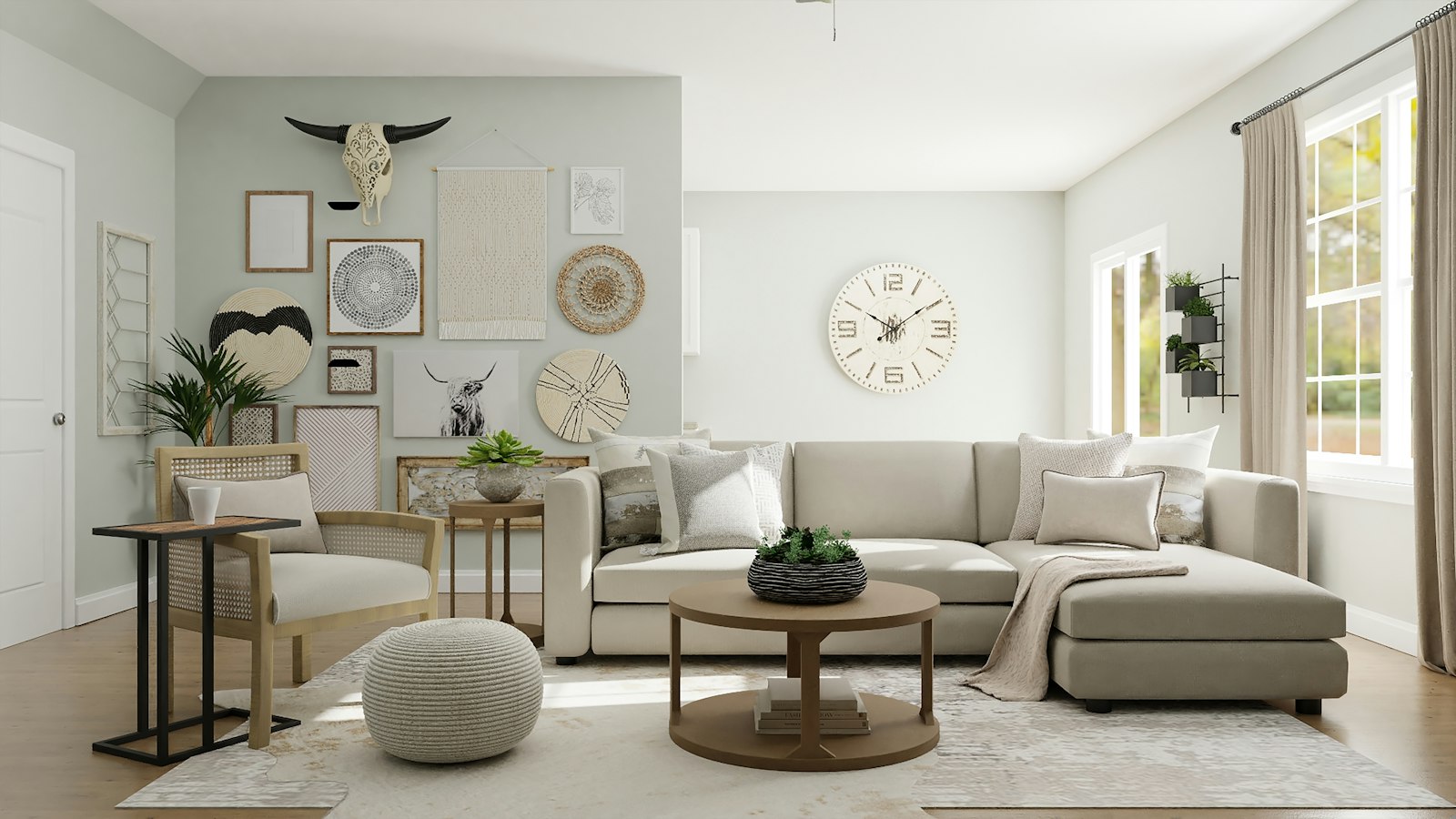
There is a certain kind of peace that settles over you when you walk into a truly minimalist living room. It is not emptiness — it is intention. Every piece of furniture earns its place. Every surface has room to breathe. The air itself feels lighter. If you have ever walked into a beautifully spare space and felt your shoulders drop and your mind quiet, you already know what minimalist design can do for the human spirit. The challenge, of course, is achieving that feeling without your home looking cold, sterile, or unfinished. This guide will walk you through the principles and practical steps that professional designers use to create minimalist living rooms that are deeply livable, genuinely warm, and unmistakably beautiful.
Understanding What Minimalism Actually Means
Minimalism is one of the most misunderstood design philosophies. Many people assume it means getting rid of everything you own and living with nothing but a single chair and a succulent. That is not minimalism — that is deprivation. True minimalism is about intentionality. It is about choosing to surround yourself only with things that serve a purpose, bring you joy, or contribute to the overall aesthetic of a space. In interior design, minimalism represents the idea that less visual noise allows the things you do have to shine more brightly.
The minimalist living room is not bare — it is edited. Think of it like a well-curated bookshelf versus a shelf stuffed with every book you have ever owned. The curated version tells a story. The overstuffed one creates anxiety. When you approach your living room with this mindset, the question shifts from what can I add to what truly belongs here. That reframe is the foundation of everything that follows.
Start With a Neutral, Layered Color Palette
Color is the first and most powerful tool in the minimalist designer's kit. The classic minimalist palette is built on neutrals: warm whites, soft creams, pale grays, earthy taupes, and the occasional deep charcoal for contrast. But the secret to making neutrals feel rich rather than flat is layering. A room painted in a single shade of white with white furniture and white accessories will feel clinical. A room that layers warm ivory walls with linen-colored sofas, a soft greige area rug, and wooden accents will feel serene and sophisticated.
The key is to vary the undertones and textures within your neutral palette. Warm whites pair beautifully with honey-toned wood and warm beige. Cool grays work well with darker wood tones and stone. Choose a dominant neutral for your largest surfaces — walls, sofa, rug — and then introduce one or two accent neutrals in smaller doses. If you want to bring in color, keep it minimal and purposeful: a single cushion in a muted sage, a throw in dusty terracotta, or a ceramic vase in an earthy clay tone.
Furniture Selection: Quality Over Quantity
In a minimalist living room, every piece of furniture matters more than it does in a busy, layered space. When there are fewer items, each one receives more visual attention, which means a poorly chosen sofa or an awkwardly sized coffee table will stand out immediately. This is why minimalist design almost always prioritizes quality over quantity. It is better to invest in one truly beautiful, well-made sofa than to fill your room with three mediocre pieces.
When selecting furniture for a minimalist space, look for clean lines, simple silhouettes, and materials that feel honest and tactile. A low-profile sofa in a natural linen fabric. A coffee table in solid oak or walnut. A pair of simple armchairs in a complementary neutral. The goal is to choose pieces that feel purposeful and that age gracefully. Avoid ornate carvings, fussy details, or furniture that tries too hard to make a statement. In minimalism, the statement is the restraint itself.
Proportion is equally important. A room with just a few pieces of furniture must get the scale right. An undersized sofa floating in a large room will feel lost. An oversized sectional in a compact space will feel oppressive. Measure carefully and consider how each piece relates to the others and to the architecture of the room.
Declutter With Purpose and Discipline
No matter how thoughtfully you choose your furniture or how perfectly you nail your color palette, a minimalist living room will not work if it is filled with clutter. Clutter is the enemy of calm, and in a minimalist space — where the design relies on open space to create its effect — clutter is especially destructive. The good news is that decluttering does not mean eliminating everything you love. It means finding intentional homes for the things that stay and releasing the things that no longer serve you.
Start by removing everything from your living room and then bring items back one by one, asking yourself: does this earn its place? Does it serve a function, bring genuine joy, or contribute to the aesthetic? Books, candles, a favorite piece of art — these can all belong in a minimalist space if they are displayed with intention. Storage is a minimalist's best friend. Invest in furniture that does double duty: ottomans with hidden storage, coffee tables with drawers, built-in shelving that keeps surfaces clear. When storage is beautiful and accessible, it becomes much easier to maintain the clean, open feel that makes minimalist spaces so restorative.
The Role of Texture and Natural Materials
One of the most common mistakes people make when attempting minimalist design is confusing it with sterility. The minimalist rooms that feel cold and uncomfortable are usually the ones that rely entirely on hard, smooth surfaces with no tactile warmth. The minimalist rooms that feel genuinely inviting are the ones that use texture strategically to create depth and comfort without adding visual noise.
Texture in a minimalist living room comes from natural materials: the roughness of a jute rug underfoot, the softness of a chunky knit throw draped over the arm of a sofa, the grain visible in a wooden coffee table, the matte earthiness of a ceramic lamp base. These textures add visual interest without adding color or pattern, contributing warmth and humanity to the space without disrupting the calm, neutral palette. Layer textures thoughtfully — a smooth linen sofa pairs beautifully with a textured wool cushion. A polished concrete floor becomes warmer with a natural fiber rug. The interplay between smooth and rough, hard and soft, is what gives a well-designed minimalist room its almost meditative quality.
Conclusion
Designing a minimalist living room is not a one-time project — it is an ongoing practice of editing, curating, and maintaining intention. The most beautiful minimalist spaces are the ones that evolve thoughtfully over time, as their owners refine their taste and develop a clearer sense of what truly belongs. Start by embracing a neutral palette, investing in quality furniture, eliminating clutter with purpose, layering texture for warmth, and letting light do its quiet magic.
The result will be a living room that does not just look beautiful in photographs — it will feel like a genuine refuge. A place where you can breathe, think, and simply be. Explore our curated collection at Little-Chapter.com and discover furnishings, textiles, and accessories chosen specifically to help you build the calm, intentional home you have been imagining.