

Understanding Cat Vocalizations: What Every Sound Really Means
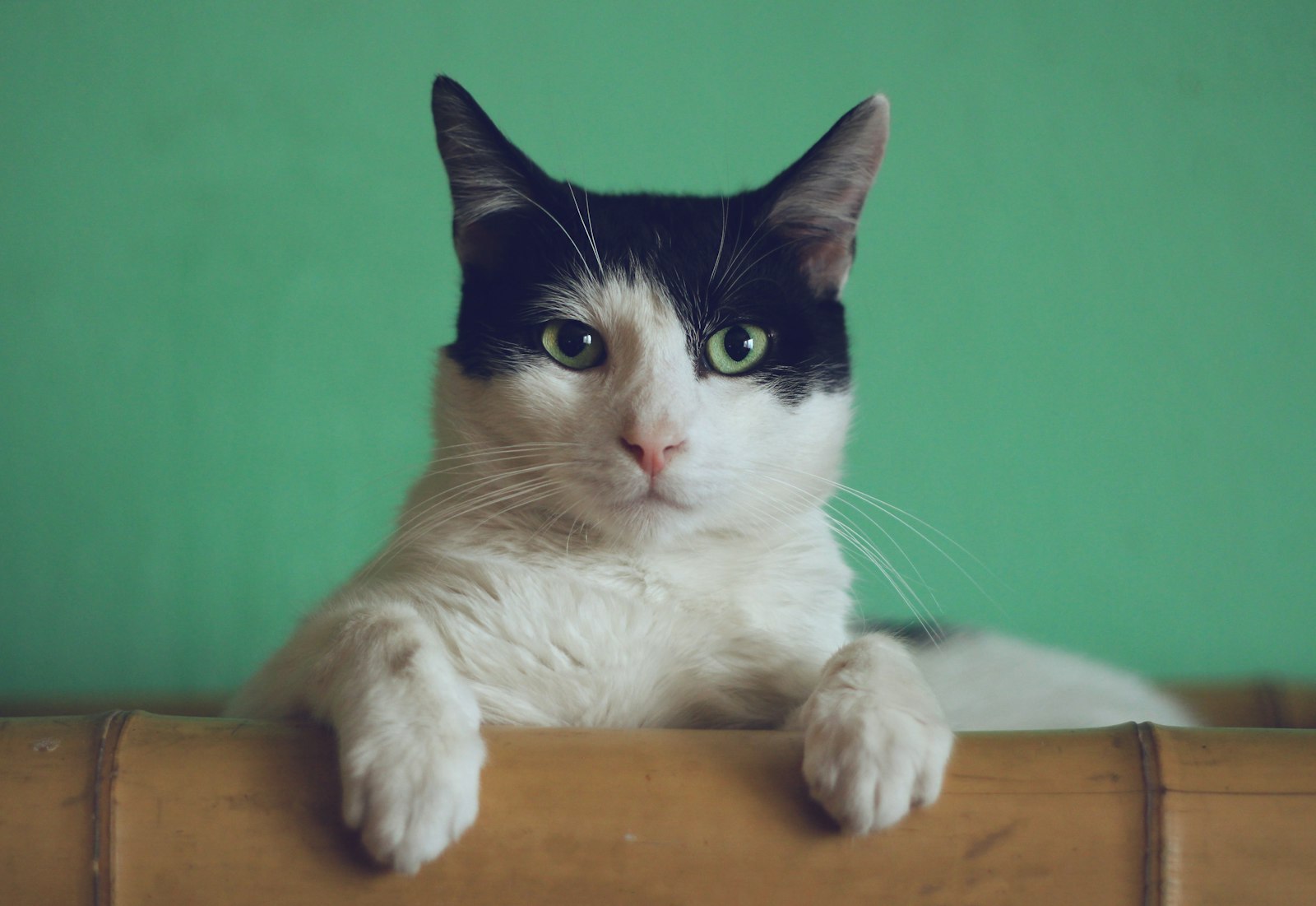
Cats Are Talking to You
Unlike most of their wild cat relatives, domestic cats are remarkably vocal. Researchers believe that adult domestic cats primarily developed their vocal repertoire to communicate with humans — wild adult cats are largely silent with each other after kittenhood. This means every meow, chirp, and trill is directed specifically at you. Learning to interpret these sounds gives you real insight into your cat's needs and emotional state.
The Meow: A Human-Directed Sound
The meow is perhaps the most complex vocalization cats have, partly because it's extraordinarily flexible. Cats modulate meows across a huge range of pitch, length, and frequency to convey different meanings. Long, drawn-out meows are often demands or complaints. Short, high-pitched meows are typically greetings. Rapid repeated meowing signals urgency or excitement. Over time, you'll learn to distinguish your individual cat's specific meow vocabulary — cats often develop personalized communication styles with their owners.
The Trill and Chirp
Trills and chirps are short, high-pitched sounds that cats produce with their mouths closed. These are generally positive vocalizations used as greetings or to get your attention in a friendly way. Cats often trill when they're pleased to see you or want you to follow them somewhere. Mother cats trill at kittens as a greeting and to direct them. It's one of the most affectionate sounds a cat can make toward a person.
Purring: Comfort and More
Purring is the most well-known cat sound, but its meaning is more nuanced than simply "I'm happy." Cats do purr when content and comfortable, but they also purr when stressed, injured, ill, or in labor. This suggests purring may serve a self-soothing function, possibly related to the frequencies generated (25-150 Hz) having documented healing effects on soft tissue. When purring is accompanied by a relaxed body, kneading, and slow blinks, it indicates contentment. Purring while hiding, pressed tightly into a corner, or with a tense body suggests stress or discomfort.
Chattering
Chattering — that rapid clicking sound cats make while watching birds through a window — is one of the most distinctive and entertaining cat vocalizations. The exact purpose isn't definitively established. Theories include frustration at being unable to catch prey, a predatory excitement response, or potentially an attempt to mimic the sounds of prey animals. It's almost always accompanied by intense visual focus on a target.
The Yowl
Prolonged, mournful yowling is different from ordinary meowing. It often signals pain, disorientation, cognitive decline (especially in older cats), or reproductive signaling in unspayed females or unneutered males. A cat that starts yowling when they previously didn't warrants a veterinary visit — especially an older cat, where yowling at night can be an early sign of hyperthyroidism, hypertension, or feline cognitive dysfunction.
Growling and Hissing
These are clear threat displays. A growling or hissing cat is feeling threatened, cornered, or in pain and is warning you to back off. Respect these warnings — a cat making these sounds should be given space. Forcing interaction with a hissing cat often results in scratching or biting and only deepens their sense of threat.
The Solicitation Purr
British researchers have identified a specific type of purr cats use when asking for food — a purr with an embedded cry frequency that humans find hard to ignore. Most cat owners have experienced this: the urgent morning purr at feeding time feels distinctly different from a contentment purr. Your instinct about that difference is correct.