

How to Safely Brush Your Dog's Coat Based on Their Fur Type
Why Coat Type Determines Tool and Technique
Brushing a dog incorrectly — using the wrong tool or the wrong technique for their coat type — can damage the coat, cause discomfort, and fail to do the job it's supposed to do. Understanding what type of coat your dog has is the foundation of good home grooming. Most coats fall into four main categories: short and smooth, double coat (with a dense undercoat), long and silky, and wire or rough coat.
Short Smooth Coats (Beagles, Boxers, Dalmatians, Greyhounds)
These coats require the least maintenance but still shed significantly. A rubber curry brush or grooming glove works best — the rubber nubs lift loose dead hair effectively without scratching the skin. Use in circular motions, follow with a bristle brush to finish. These dogs need brushing weekly during normal seasons and more frequently during heavy shedding periods. Despite the short coat, shedding can be prolific.
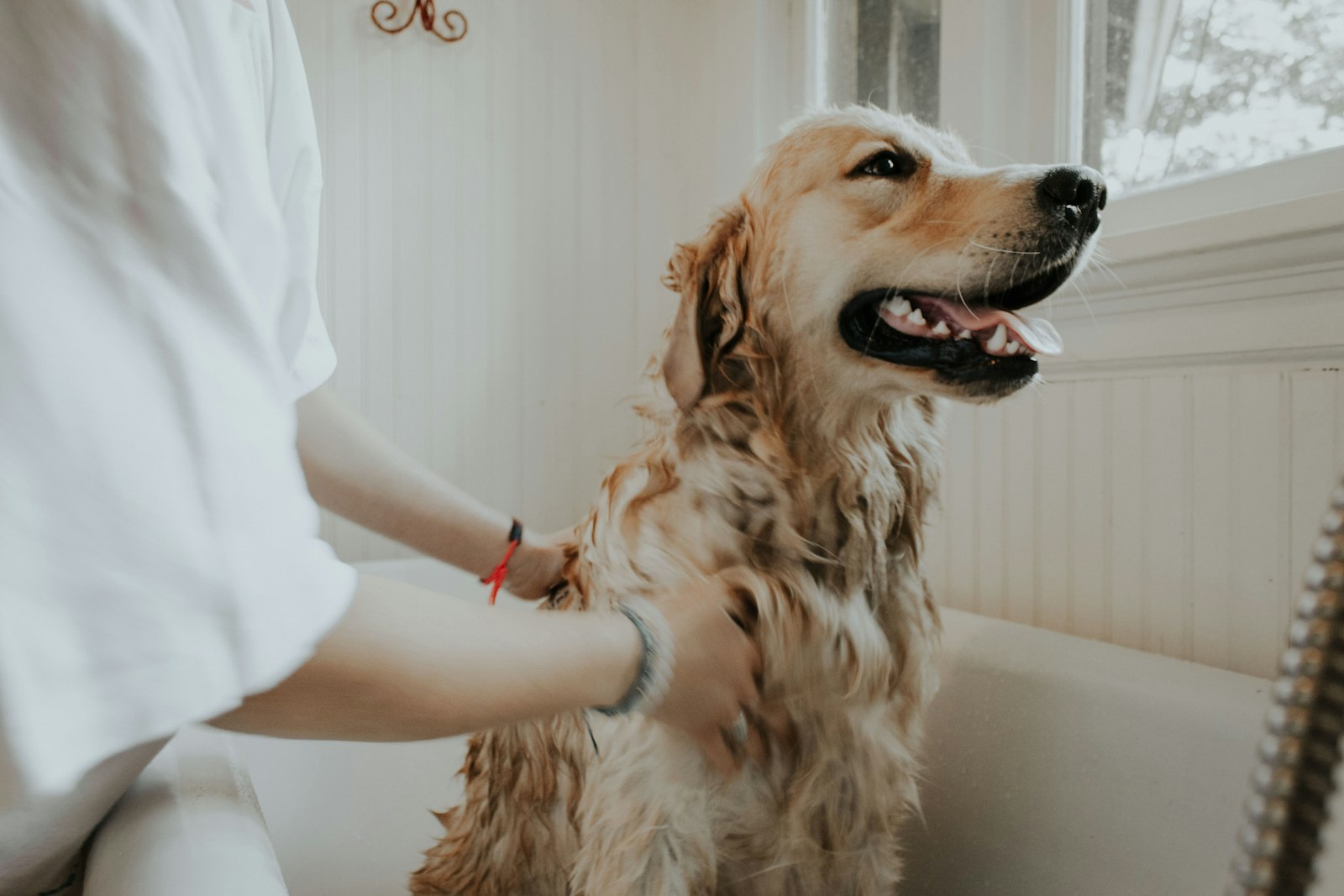
Double Coats (Huskies, German Shepherds, Goldens, Labs, Aussies)
Double-coated dogs have a dense, wooly undercoat beneath longer guard hairs. The undercoat sheds seasonally (twice yearly “blowing coat”) and requires an undercoat rake or deshedding tool (like the Furminator) to remove. Slicker brushes work the outer coat. The key mistake: using a slicker brush only and leaving the dense undercoat matted beneath. Never shave a double-coated dog — the undercoat provides both cooling and insulation, and shaving disrupts this and can cause coat texture changes.
Long Silky Coats (Setters, Spaniels, Afghans, Maltese)
Long silky coats mat without consistent maintenance. Brush all the way to the skin (not just the surface layer) using a pin brush followed by a wide-tooth metal comb. Always work through mats from the tip toward the root, never pulling from the root (which causes pain and breakage). Detangler spray helps with mats. Areas prone to matting: behind the ears, collar area, armpits, and where the legs meet the body.
Wire or Rough Coats (Terriers, Schnauzers, Wirehaired Pointer)
Wire-coated breeds maintain their characteristic texture through hand-stripping (manually pulling dead coat rather than cutting) or clipping. Clipping softens the wire texture permanently, which matters for show dogs but not for pets. A slicker brush removes loose hair between professional grooming sessions. These coats shed less than most but require more specialized maintenance.