

How Much Exercise Does Your Dog Actually Need? A Breed-by-Breed Guide
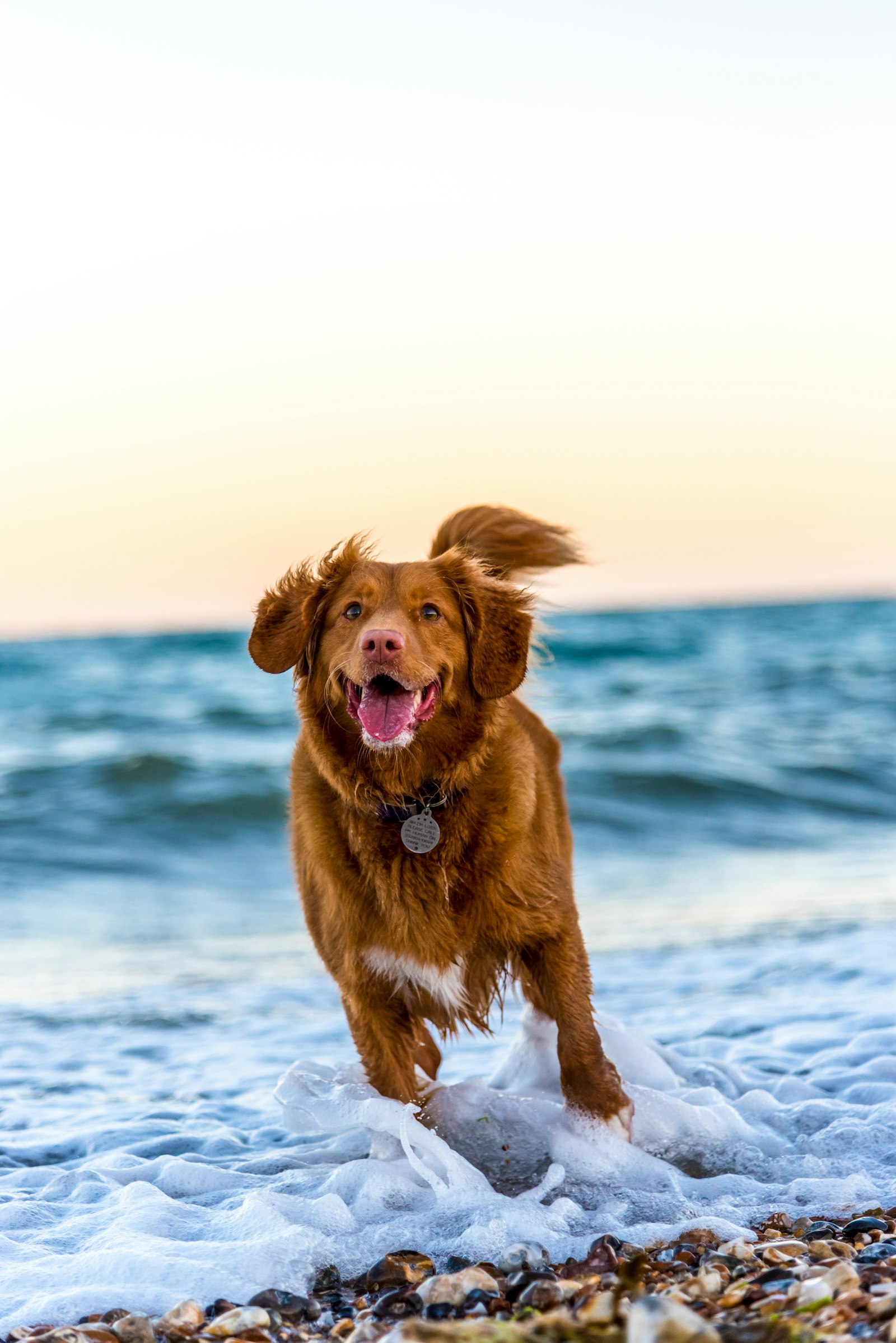
Exercise Isn't One-Size-Fits-All
A Border Collie and a Bulldog are both dogs, but their exercise needs might as well belong to different species. The same half-hour walk that fully satisfies a Shih Tzu will barely take the edge off a working Malinois. Getting exercise right for your individual dog requires understanding the factors that shape their needs — and meeting those needs consistently is one of the most important things you can do for their physical health and behavioral wellbeing.
Factors That Determine Your Dog's Exercise Needs
Breed group: Breeding history is the biggest determinant of exercise needs. Dogs bred for sustained physical work (herding, hunting, retrieving, sled-pulling) have much higher needs than companion breeds or toy breeds.
Age: Puppies need frequent but shorter bursts of play rather than long sustained exercise that can stress developing joints. Adult dogs are at peak exercise capacity. Senior dogs need continued exercise for health but at reduced intensity and duration.
Health status: Orthopedic conditions, heart or respiratory disease, and obesity all modify what kind of exercise is safe.
Individual personality: Even within breeds, individuals vary. Some high-drive breed members are relatively calm; some small breeds are surprisingly energetic.
Exercise Requirements by Breed Group
High Energy (2+ Hours Daily)
Herding breeds (Border Collie, Australian Shepherd, Belgian Malinois, Kelpie): These dogs were bred to work all day. They need vigorous daily exercise plus significant mental stimulation — running, fetch, agility, herding sports, or structured training. Without adequate outlets, they develop serious behavioral problems.
Sporting breeds (Labrador, Golden Retriever, Vizsla, Weimaraner, Irish Setter): Built for sustained field work. Need 1.5-2 hours of vigorous daily activity — swimming, fetch, trail running, or dog sports.
Working breeds (Siberian Husky, Alaskan Malamute, Dalmatian): Exceptionally high endurance needs. Huskies in particular can run extraordinary distances and become destructive when under-exercised.
Moderate Energy (45-90 Minutes Daily)
Terriers (Jack Russell, Fox Terrier, Airedale): Feisty and determined. Need good daily exercise plus mental stimulation. Their tenacity means they need activities that engage their minds.
Scent hounds (Beagle, Basset Hound, Bloodhound): Follow their noses with remarkable focus. Need daily walks (on leash — recall can be unreliable) and benefit greatly from nosework activities.
Standard and Miniature Poodles: Athletic and smart. Need a good daily walk plus mental stimulation through training or puzzle activities.
Lower Energy (30-45 Minutes Daily)
Companion/toy breeds (Shih Tzu, Maltese, Cavalier King Charles Spaniel, Bichon Frise): Happy with moderate daily exercise. May actually get enough from indoor play plus a couple of short walks. Vulnerable to overheating in warm weather due to small body mass.
Brachycephalic breeds (Bulldog, Pug, French Bulldog, Boston Terrier): Their shortened airways limit exercise capacity and increase overheating risk. Short, low-intensity sessions in cool conditions. Never exercise in heat. Swimming is a safer option for brachycephalic breeds.
Signs Your Dog Isn't Getting Enough Exercise
Destructive behavior (chewing, digging). Excessive barking or whining. Hyperactivity indoors. Attention-seeking behavior. Inability to settle even when tired. Pulling excessively on the leash. Weight gain.
Signs You May Be Over-Exercising
Excessive panting or fatigue during activity. Limping during or after exercise. Reluctance to continue. Slowing down significantly. For puppies: any sustained high-impact exercise before growth plates close (typically 12-18 months depending on breed size).
Exercise Quality Matters Too
A walk on a leash is valuable, but off-leash running, social play with other dogs, swimming, and training sessions engage different systems and provide different benefits. Variety keeps exercise from becoming monotonous and addresses physical, mental, and social needs together.
Final Thoughts
Meeting your dog's exercise needs is not optional — it's a fundamental welfare requirement. A well-exercised dog is happier, healthier, and significantly easier to live with. Learn your dog's breed, observe their individual energy level, and build a routine that genuinely meets their needs rather than fitting exercise around your schedule as an afterthought.