

Hiking with Your Dog: Essential Gear and Safety Tips for Trail Adventures
Is Your Dog Trail-Ready?
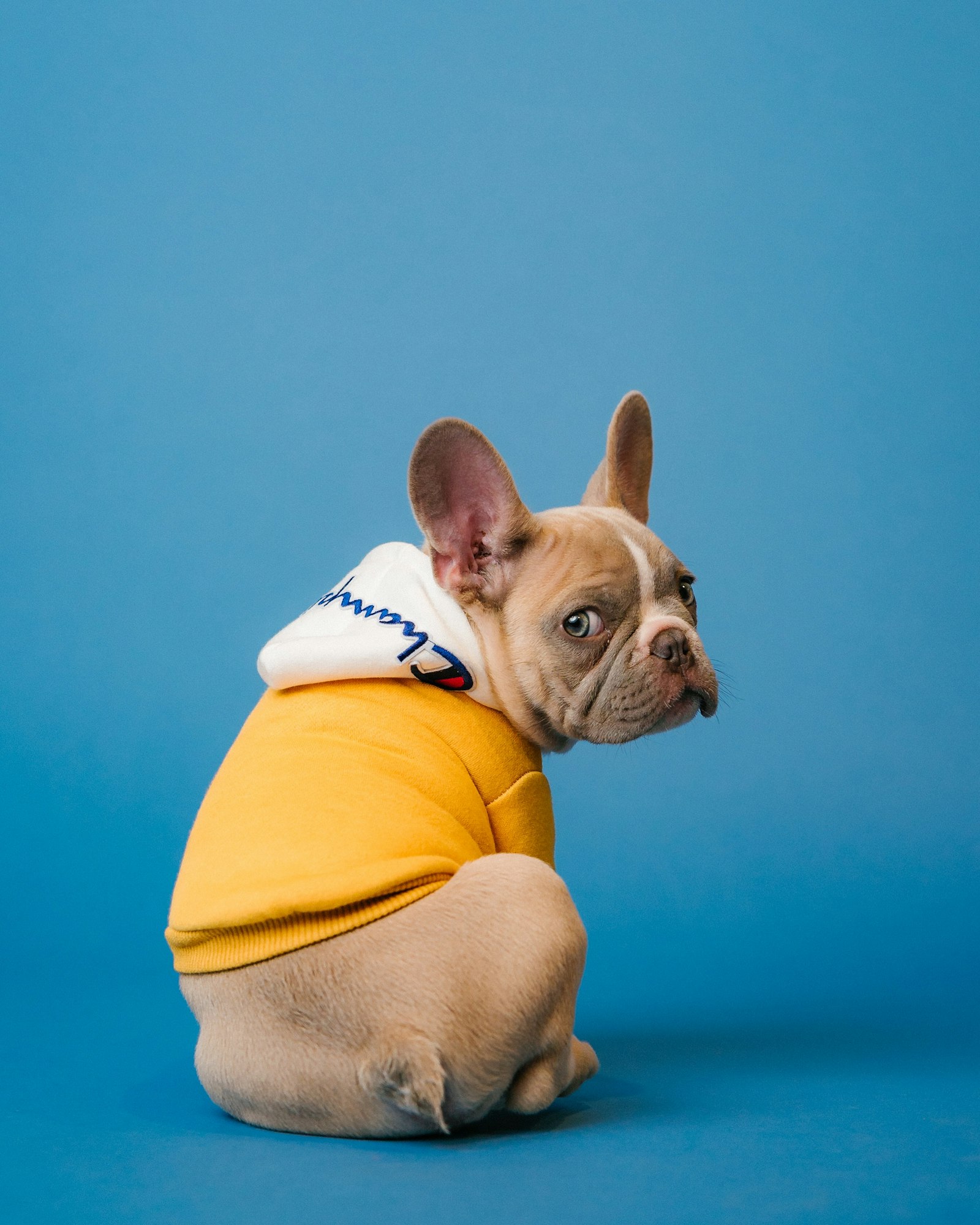
Before hitting the trails, get your dog a vet check, especially for breeds prone to joint or heart issues. Most healthy dogs can hike, but brachycephalic breeds (bulldogs, pugs, French bulldogs) overheat easily and may struggle with strenuous terrain. Senior dogs, puppies whose growth plates haven't closed (typically under 18 months for large breeds), and overweight dogs need shorter, easier trails. Start with easier hikes and build up gradually.
Essential Gear for Dog Hikers
Critical gear: a well-fitted dog harness with a handle (for assisting over obstacles), collapsible water bowl, sufficient water for both of you (dogs need 1 oz per pound of body weight in mild weather — more in heat), a canine first aid kit, poop bags, dog-specific tick repellent, and ID tags plus a visible GPS collar if hiking in areas with poor cell service. A dog hiking pack lets your dog carry some of their own water and supplies.
Paw Care on the Trail
Rough terrain, hot surfaces, and sharp rocks damage paw pads quickly. Check your dog's paws during rest breaks for cuts, swelling, or embedded thorns. Dog boots protect paws and work well if your dog is acclimated to wearing them before the hike. Paw wax (musher's secret and similar products) provides some protection and moisture for dogs who won't tolerate boots. After hikes, inspect and clean all four paws.
Wildlife and Plant Hazards
Keep your dog on leash to protect wildlife and your dog. Snakes, porcupines, skunks, and other wildlife can injure dogs that approach. Foxtail grass awns embed in ears, paws, and skin and can cause serious abscesses — check your dog thoroughly after hikes in dry grassland areas. Some trail plants are toxic; discourage your dog from eating trail vegetation.
Reading Your Dog's Limits
Signs your dog needs to stop: excessive panting, lagging behind, lying down and refusing to move, limping, excessive drooling, or disorientation. Dogs are motivated to follow their owners and may push past their physical limits. For hot-weather hiking, plan morning trips, take shade breaks, and never hike midday in summer. Overheating in dogs is a serious emergency requiring immediate cooling and veterinary care.