

Cat Nutrition 101: What Your Cat Really Needs to Thrive
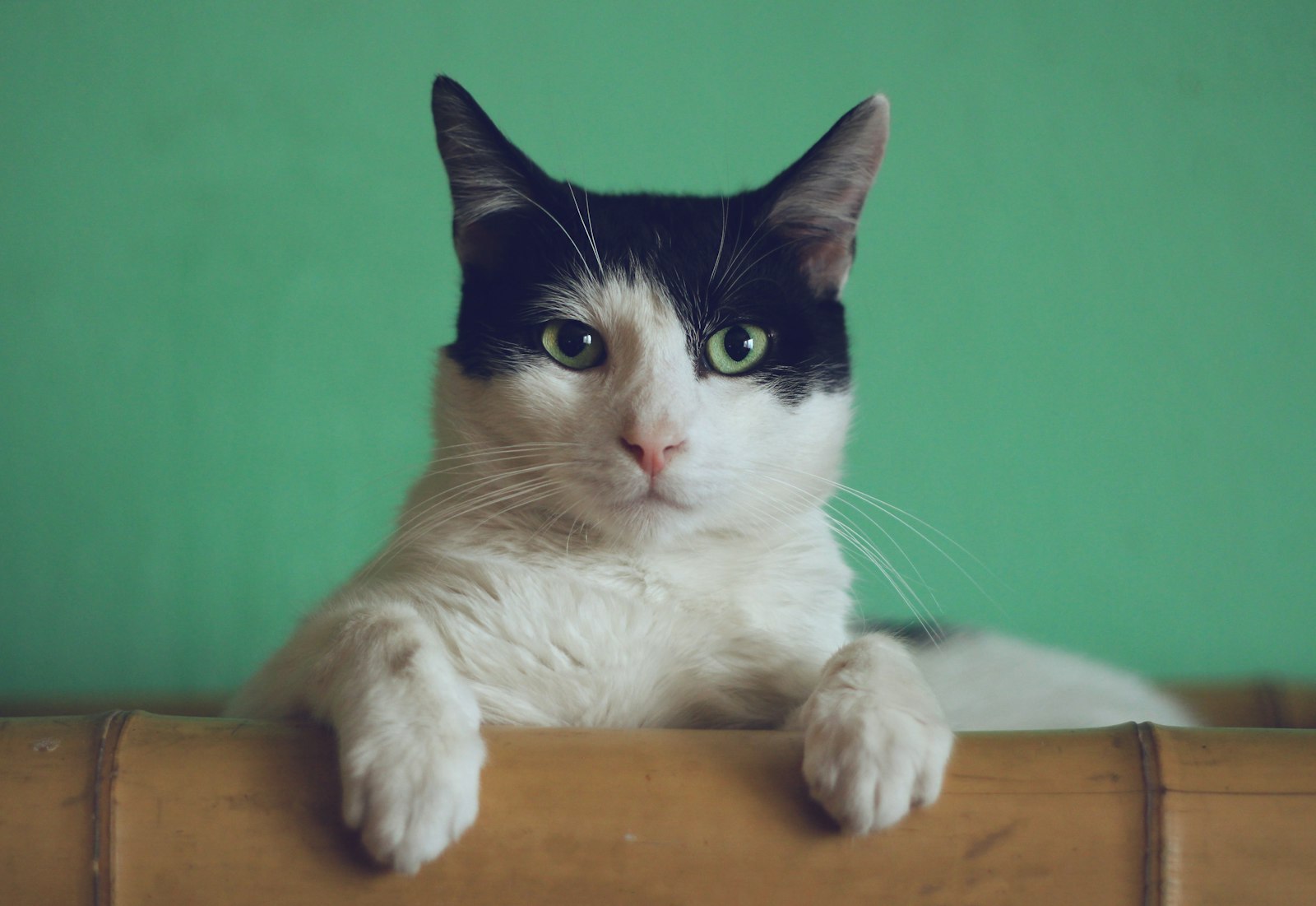
Cats Are Obligate Carnivores
Unlike dogs, which are omnivores, cats are obligate carnivores — meaning they have a biological requirement for nutrients found only in animal tissue. They lack the metabolic machinery to synthesize certain amino acids, fatty acids, and vitamins that other species make internally. Understanding this is the foundation of cat nutrition.
The Critical Role of Taurine
Taurine is an amino acid cats cannot synthesize in sufficient quantities and must consume through diet. Taurine deficiency causes dilated cardiomyopathy (heart disease) and central retinal degeneration leading to blindness. Commercial cat foods have been required to include adequate taurine since the 1970s, following widespread heart disease in cats fed taurine-deficient diets. Always feed foods specifically formulated for cats — dog food lacks sufficient taurine and is nutritionally inadequate for cats.
Protein Quality and Quantity
Cats have a high protein requirement compared to other domestic animals — roughly 25-35% of calories from protein, higher than dogs and significantly higher than humans. The quality of protein matters as much as quantity. Animal-based proteins (chicken, fish, turkey, rabbit) provide the complete amino acid profile cats need. Plant-based proteins are incomplete for cats and can contribute to nutritional deficiencies over time.
The Moisture Question: Wet vs Dry Food
Cats evolved in arid environments and have a low thirst drive — they're designed to get most of their water from prey. Dry kibble contains only 8-10% moisture compared to 70-80% in wet food. This chronic low water intake contributes to urinary tract issues, kidney disease, and constipation over time. Many veterinary nutritionists now recommend wet food as the foundation of a cat's diet, supplemented with dry food if desired. If feeding primarily dry food, actively encourage water consumption through water fountains and multiple water stations.
Life Stage Nutrition
Kittens need calorie-dense, high-protein foods to support rapid growth. Feed kitten-specific food or "all life stages" food until 12 months. Adult cats (1-7 years) need balanced maintenance nutrition. Senior cats (7+) often benefit from increased protein (to maintain muscle mass), reduced phosphorus (for kidney support), and added omega-3s for joint and cognitive health.
Reading Cat Food Labels
Ingredients are listed by weight before cooking. The first 2-3 ingredients should be named animal proteins (chicken, salmon, turkey) — not "meat by-products" or "poultry meal" as the primary protein. Look for the AAFCO statement confirming the food is complete and balanced for your cat's life stage. "For supplemental feeding only" means the food is not complete and should not be the sole diet.
Foods to Strictly Avoid
Onions and garlic (in any form) cause hemolytic anemia in cats. Grapes and raisins are toxic. Xylitol (in sugar-free products) is dangerous. Raw fish fed regularly can destroy thiamine (Vitamin B1), causing neurological problems. Milk is poorly tolerated by most adult cats, causing digestive upset — the lactase-deficient cat is a real phenomenon, not a myth.