

Adopting a Senior Cat: Why Older Cats Make Surprisingly Great Pets
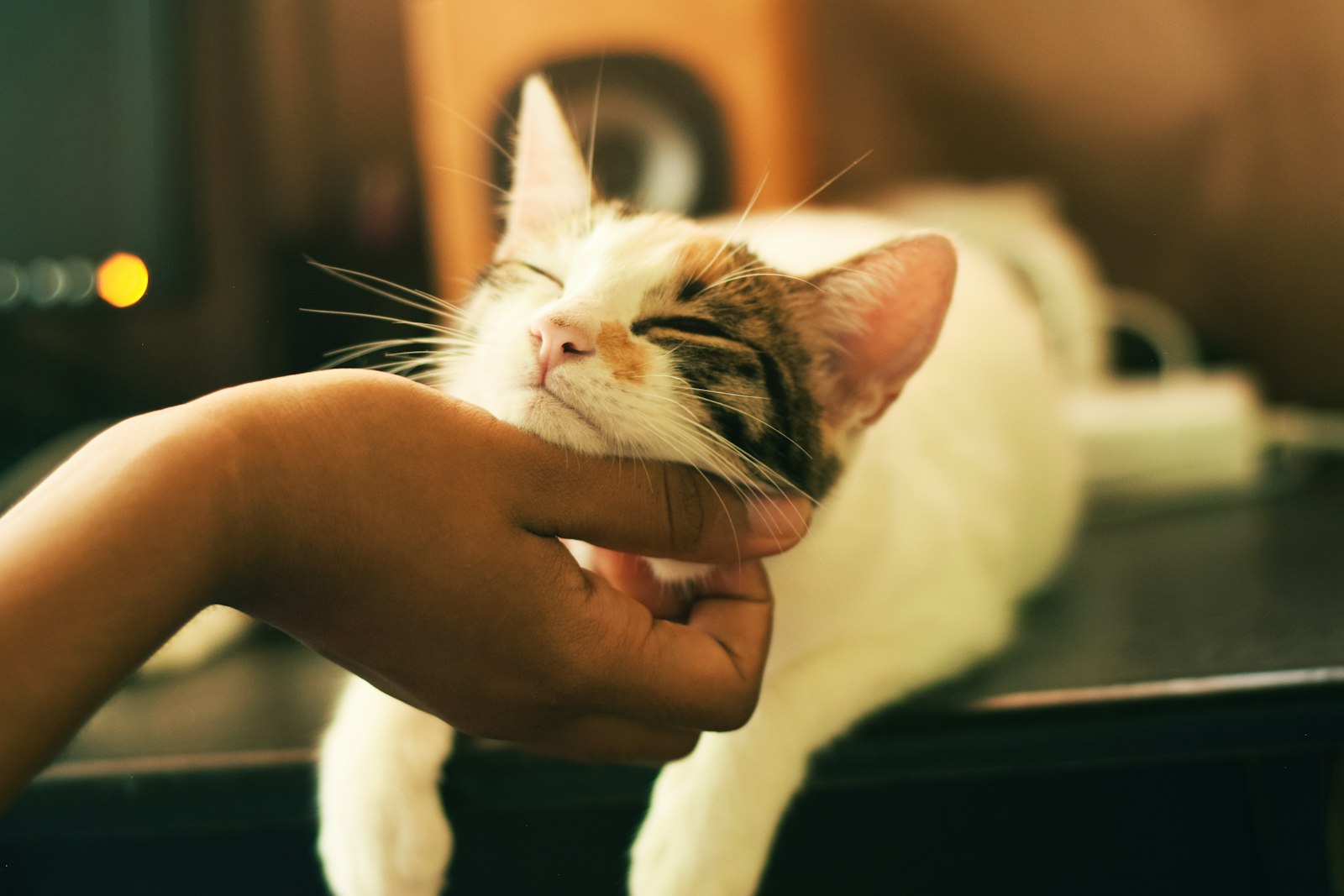
The Case for Adopting an Older Cat
Walk through any shelter and you'll notice the kittens go quickly. The older cats — the seven-year-olds, the twelve-year-olds — wait. Sometimes for months. Sometimes until there's no more time to wait. And yet for many households and many people, a senior cat is genuinely a better match than a kitten. Here's why.
What You Actually Get with a Senior Cat
A Fully Formed Personality
With a kitten, you're making an educated guess about what the adult cat will be like. With a seven-year-old cat, you know. Shelter staff and foster families can tell you with confidence whether this cat is calm or active, social or independent, good with children or better suited to a quiet adult household. There's no guessing game.
Significantly Less Work
Kittens are essentially toddlers: they need near-constant supervision, they get into everything, they need to be trained, and they have energy that feels impossible to keep up with. Senior cats sleep 16-18 hours a day, have learned what's acceptable to scratch (hopefully), and are generally calmer, more settled companions. For working adults, older individuals, or anyone who wants a peaceful household, this is a major advantage.
They're Already Litter Trained
No litter training needed, no accidents during the learning period, no middle-of-the-night emergencies. A senior cat uses the litter box reliably — unless there's a health issue, which is the same for any age cat.
Deep Bond Potential
Senior cats in shelters often know they've been given a second chance. Many owners of adopted senior cats describe a particularly strong and appreciative bond — as if the cat understands that something important happened when they were chosen.
Addressing the "Short Time Left" Concern
The most common hesitation about adopting senior cats is not wanting to fall in love with a cat who might only have a few years left. This is worth sitting with honestly. A seven-year-old cat has, on average, another 5-10 years ahead. A twelve-year-old may have 3-6 years. These are real years, not scraps of time. And the years you give an older cat who would otherwise have no time at all carry their own meaning.
Many people who have adopted a senior cat and lost them to old age describe it as one of the most profound pet relationships they've had — because it was intentional, because of the circumstances, and because of the quality of companionship an adult cat provides.
Health Considerations for Senior Cats
Senior cats (7+ years) benefit from bi-annual veterinary visits rather than annual ones, as health changes become more likely with age. Common conditions in older cats include hyperthyroidism, chronic kidney disease, dental disease, hypertension, and diabetes — all of which are manageable when caught early. Ask the shelter for any known medical history before adopting, and budget for ongoing veterinary care accordingly.
Making the Transition Easy
Older cats may take longer to adjust to a new home than kittens. Give them a quiet room to decompress in for the first few days, maintain their previous diet if possible, and let them explore and adjust at their own pace. Patient introductions to other pets are particularly important with senior cats, who may have less tolerance for being harassed by younger animals.