

Why Microchipping Is the Most Important Permanent ID Your Pet Can Have
Tags Get Lost. Microchips Don't.
Collars slip off, break, or get removed. ID tags fall off or become unreadable. In an emergency — a natural disaster, an accident, a frightened dog bolting through an open gate — a collar and tag is the only identification many pets have, and it can disappear at exactly the moment it matters most. A microchip is permanent: a grain of rice-sized transponder implanted under the skin that carries a unique identification number linked to owner contact information in a registry. It stays with the pet regardless of what happens to collars or tags.
How Microchips Work
A microchip is a passive RFID (radio-frequency identification) device — it has no battery, no moving parts, and no active emission. It only activates when scanned by a scanner that emits a radio frequency, causing the chip to respond with its unique identification number. That number is looked up in a registry database to find the associated owner contact information.
The chip itself is approximately 12mm long (about the size of a grain of rice) and is implanted via a needle under the skin, typically between the shoulder blades in dogs and cats. The procedure is quick, requires no anesthesia in most cases, and causes temporary mild discomfort similar to a vaccine injection.
The Critical Step Most Owners Miss: Registry Enrollment
A microchip that isn't registered to current owner contact information in a searchable database cannot reunite a lost pet with its owner. This is where the system breaks down for many pets. Studies of microchipped dogs returning to shelters have found that a significant percentage have chips that are either unregistered or registered to outdated contact information.
When your pet is microchipped, the chip number should be given to you and registered in a national database. In the United States, there is no single universal registry. The major databases include HomeAgain, 24PetWatch, Found Animals, and AKC Reunite. Look-up tools like Petmicrochiplookup.org search multiple registries simultaneously, which is why being registered in at least one major database is important.
Update your registry information any time you move or change phone numbers. This step is even more commonly forgotten than initial registration.
ISO Standard vs. Non-Standard Chips
International microchip standards (ISO 11784/11785, 15-digit chips) are used in most of the world, including Europe, Canada, Australia, and for pets imported to these regions. The US historically used both ISO and non-ISO (typically 10-digit AVID chips). Most modern scanners can read both, but if you're traveling internationally with your pet, verify which chip standard is in your pet and whether it meets your destination country's requirements.
For Cats Especially
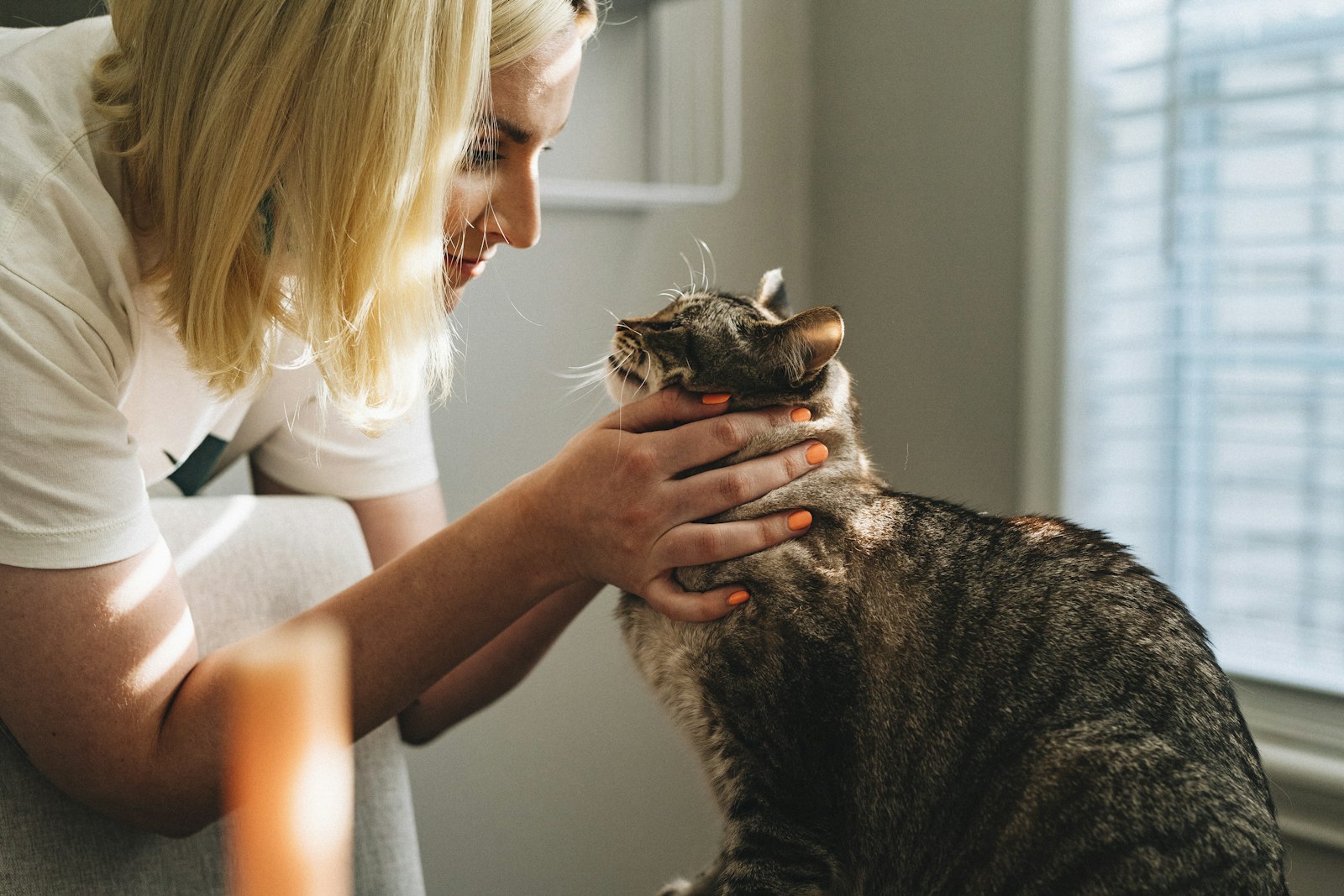
Cats go missing at rates that often surprise owners — even "indoor-only" cats escape occasionally. And cats without collars (which many indoor cats don't wear) are assumed to be feral or unowned by many people who find them. A microchip is the only way to identify these cats as owned pets and reunite them with their families. The American Association of Feline Practitioners recommends microchipping all cats, including those that never go outside.