

Why Cats Knock Things Off Tables: Decoding Quirky Cat Behaviors
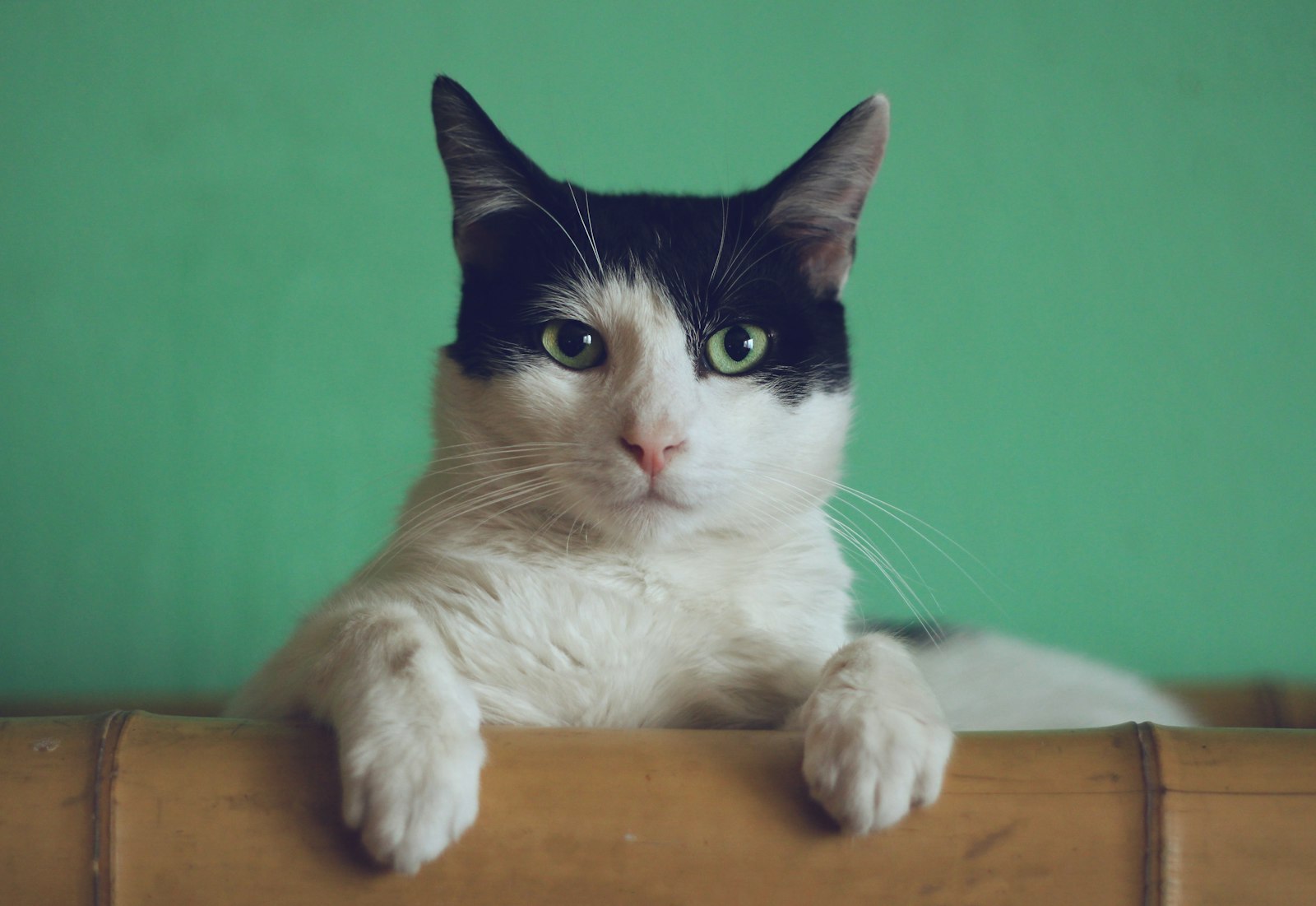
Your Cat Isn't Being Naughty — They're Being a Cat
If you've ever watched your cat make direct eye contact with you while slowly pushing your coffee mug off the counter, you might have wondered: why? Are they mischievous? Bored? Just evil? The answer is more fascinating than you might think, and it's rooted in your cat's biology, instincts, and social behavior.
Understanding why cats do the things they do is the key to appreciating their unique nature — and sometimes, redirecting behaviors that drive you crazy.
Knocking Things Off Surfaces
This is perhaps the most iconic quirky cat behavior. Your cat approaches an object, taps it a few times, and sends it tumbling to the floor — often while maintaining unbroken eye contact with you.
There are several reasons for this behavior. First, cats are natural hunters, and their paws are finely tuned sensory instruments. Tapping an object mimics the way a cat would test prey — is it alive? Will it move? The action is instinctive.
Second, cats learn quickly that knocking things over gets your attention. If you jump up every time your cat sends something flying, you've inadvertently trained them that this behavior is an effective way to get you to engage. You've been outsmarted.
Third, some cats knock things over simply because they're bored and under-stimulated. If your cat is doing this frequently, they may need more interactive play and enrichment.
Solution: Provide daily interactive play sessions with wand toys. If your cat is attention-seeking, respond to the behavior less and actively engage with your cat before they start knocking things over.
The Slow Blink
If your cat looks at you and slowly closes and reopens their eyes, consider yourself honored. The slow blink is a cat's way of showing trust and affection. It's the feline equivalent of a kiss or a hug.
You can reciprocate! Slow-blinking back at your cat communicates that you feel safe in their presence too. Research has shown that cats are more likely to approach humans who slow-blink at them. Try it — it genuinely works.
Bringing You "Gifts"
If your outdoor cat deposits a dead bird or mouse at your feet, try to see it as the compliment it's intended to be. In the wild, mother cats bring prey to their kittens to teach them hunting skills. Your cat may view you as a member of their family who needs to learn to hunt — or they may simply be proud and want to share their success.
Indoor cats sometimes bring stuffed toys as gifts, especially at night. This behavior is completely normal and reflects your cat's hunting instincts.
Chattering at Birds
You've probably seen your cat sit at the window, fixated on a bird outside, making a rapid chattering sound with their jaw. This behavior — called chattering or chirping — is thought to be a mix of excitement and frustration.
Some researchers believe the sound mimics the killing bite cats use on prey, almost like a rehearsal. Others think it's simply an involuntary vocalization triggered by intense predatory arousal. Either way, it's a perfectly normal expression of your cat's hunting instincts.
Sitting in Boxes and Tight Spaces
Put a cardboard box on the floor and your cat will claim it within minutes. Cats are drawn to enclosed spaces because they feel secure and hidden — an instinct from their evolutionary past as both predator and prey. A box provides a vantage point from which your cat can observe their territory while remaining relatively concealed.
Providing your cat with cat trees, tunnels, and enclosed beds satisfies this instinct and reduces stress, particularly in multi-cat households or environments where your cat may feel anxious.
Head Bunting
When your cat pushes their forehead into your face or presses their cheek against yours, they're engaging in bunting. Cats have scent glands on their cheeks, forehead, and chin, and when they rub these on you, they're depositing their scent — essentially marking you as theirs.
Head bunting is a clear sign of affection and trust. Cats don't bunt strangers. If your cat buts their head against you, they consider you part of their social group.
The Midnight Zoomies
Many cats experience sudden bursts of frenzied energy — racing around the house, leaping on furniture, and generally causing chaos at 2 AM. This is called frenetic random activity periods (FRAPs), or more colorfully, "the zoomies."
Cats are naturally crepuscular (most active at dawn and dusk), so late-night energy bursts are normal. They're often a way for cats to release pent-up energy. If the zoomies are disrupting your sleep regularly, try a vigorous interactive play session before bedtime to help your cat burn off energy and settle down.
Final Thoughts
Every quirky behavior your cat exhibits has a reason behind it — even if that reason sometimes looks like chaos from your perspective. Learning to read your cat's actions through the lens of their biology and instincts allows you to meet their needs more effectively, respond to their communication, and deepen the unique bond you share. Cats are endlessly fascinating creatures, and their "weird" behaviors are part of what makes them so captivating.