

The Art of Mixing Metals in Home Decor: A Complete Style Guide
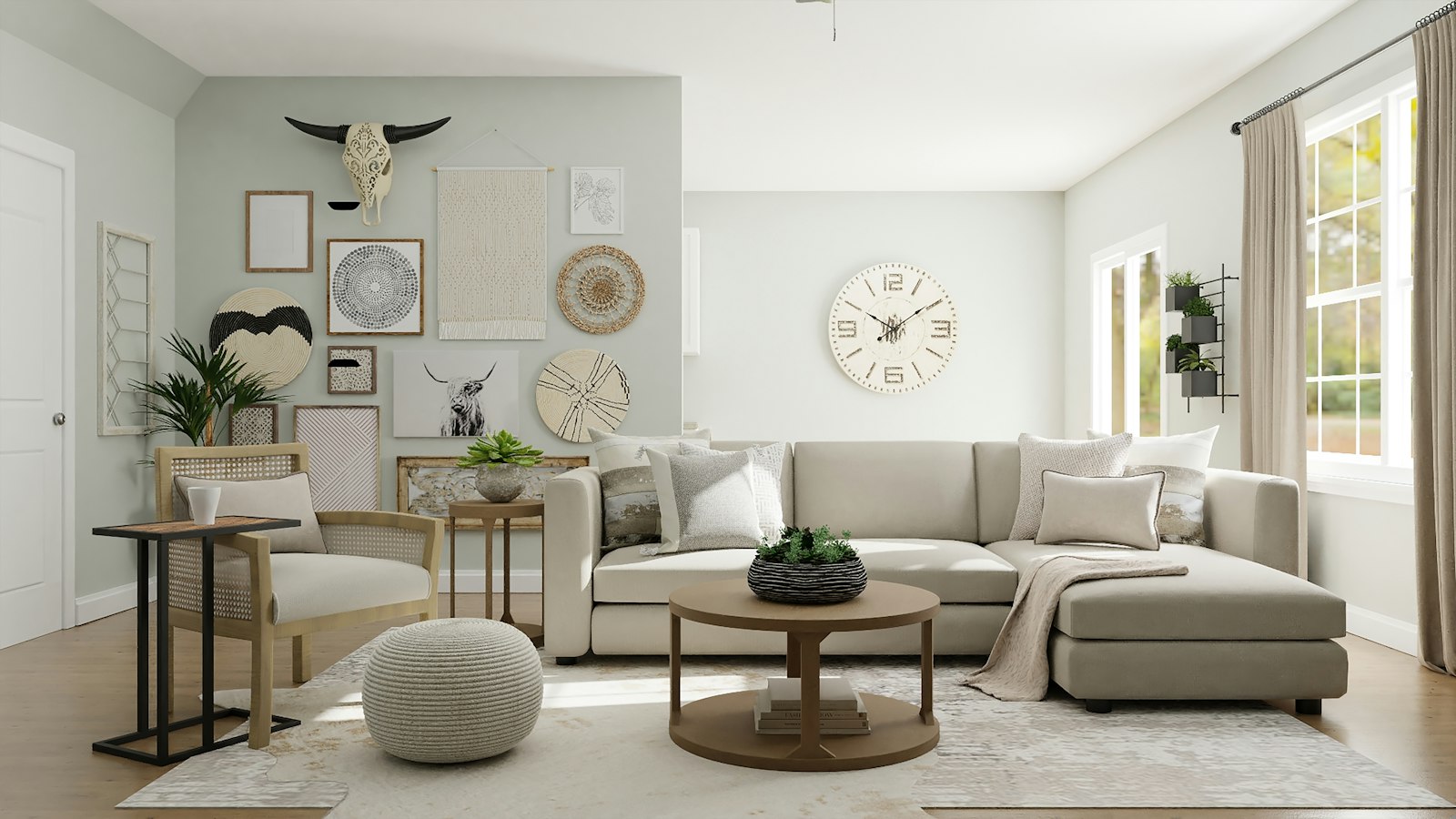
There was a time when interior design rulebooks firmly declared that metals in the home must match — brass with brass, chrome with chrome, and never the twain shall meet. Today, that rigid thinking belongs firmly in the past. One of the most exciting and sophisticated trends in contemporary interior design is the art of mixing metals, and when done with intention and a discerning eye, the result is a space that feels layered, curated, and deeply personal. Far from looking mismatched or chaotic, a thoughtfully composed palette of mixed metals can bring warmth, contrast, and a sense of collected elegance that no single-metal scheme can achieve.
If you have ever admired a beautifully styled room and found yourself wondering what made it feel so rich and complete, chances are the designer had quietly woven together two, three, or even four different metal finishes throughout the space. The secret lies not in chance but in understanding a few core principles — and once you grasp them, you will find mixing metals to be one of the most rewarding design decisions you can make for your home.
Understanding the Metal Spectrum: Warm, Cool, and Neutral Tones
Before diving into combinations and ratios, it helps to think of metals the way a painter thinks about color — as having temperature and undertone. Warm metals include brass, gold, bronze, and copper. They carry amber, honey, and reddish hues that make a room feel inviting and sun-kissed. Cool metals, on the other hand — brushed nickel, chrome, silver, and pewter — read as crisp, clean, and modern, reflecting the light in a way that feels refreshingly airy.
Between these two poles sit the neutral metals: aged iron, gunmetal, matte black, and dark bronze. These are the great harmonizers of the metal world. Because they sit in the middle of the temperature spectrum, they play well with both warm and cool finishes, making them invaluable when you are trying to build a cohesive mixed-metal palette. If you are new to mixing metals, anchoring your scheme with at least one neutral metal is one of the smartest moves you can make.
Understanding these categories helps you make intuitive decisions when you walk through a furniture showroom or browse online. A brushed brass pendant over a chrome kitchen faucet might seem bold at first glance, but because both finishes share a certain luminosity, they can coexist beautifully when united by a common thread — perhaps warm wood cabinetry or a soft white tile that lets each metal breathe and shine on its own terms.
Establishing a Dominant Metal and Supporting Cast
The most important structural principle in mixing metals successfully is establishing a clear hierarchy. Think of it like casting a film: you need a lead, a supporting actor, and perhaps a character actor who appears briefly but leaves a lasting impression. In design terms, this translates to a dominant metal (used most frequently throughout the space), a secondary metal (used to complement and contrast), and an accent metal (used sparingly for punctuation).
A common and beautiful arrangement in a living room, for instance, might feature aged brass as the dominant metal — appearing in a floor lamp, side table legs, and picture frame edges — with matte black as the secondary metal on window hardware, shelving brackets, and a coffee table base. A third accent of brushed silver, perhaps in a single sculptural vase or a set of candle holders, adds a cool counterpoint that keeps the scheme from feeling too warm or predictable.
The rough rule of thumb many designers use is a 60-30-10 split, mirroring the classic color proportion rule. Your dominant metal takes up roughly sixty percent of the metallic presence in a room, your secondary thirty percent, and your accent a deliberate ten. This is not a mathematical formula you need to measure out — it is more of a felt sense, a way of checking in with yourself as you style a space to ensure no single finish is competing too aggressively for attention.
Room-by-Room Strategies for Mixing Metals
Different rooms present different opportunities and challenges when it comes to incorporating mixed metals. The kitchen, with its functional hardware and fixtures, is often where homeowners feel most nervous about mixing, yet it is also one of the most rewarding rooms to experiment in. Consider keeping your cabinet hardware in one finish — say, unlacquered brass — while choosing a brushed nickel faucet. The slight contrast reads as intentional and sophisticated rather than accidental, especially when both finishes are echoed somewhere else in the room, such as a brass pendant light paired with nickel-finished appliances.
In the bathroom, the interplay of metals is heightened by the intimacy of the space. A matte black faucet and showerhead paired with brushed gold towel rings and cabinet pulls creates a striking yet harmonious atmosphere. The key in bathrooms is consistency of finish texture — pairing matte with matte, or polished with polished, within your chosen color temperatures keeps the scheme feeling pulled-together even when the metals themselves differ.
The bedroom offers perhaps the most freedom, since metal accents here tend to be decorative rather than functional. A wrought iron bed frame becomes even more compelling when paired with brass nightstand lamps, and a vintage silver mirror introduces a third finish that ties the room back to cooler tones found elsewhere in the home. Because there are fewer fixed elements to work around in a bedroom, this is a wonderful room to experiment with combinations before committing to changes in more infrastructure-heavy spaces.
The Role of Finish and Texture in Creating Cohesion
One of the most underappreciated dimensions of mixing metals is the role that finish — the surface treatment applied to the metal — plays in determining whether a combination reads as intentional or accidental. A polished gold and a brushed gold, for example, are technically the same metal color, but they have very different personalities. Polished finishes reflect light with high intensity and bring glamour and drama. Brushed or matte finishes absorb light more softly and feel quieter, more casual, and often more contemporary.
When you are mixing two different metal colors, it often helps to keep their finishes in the same family. Pairing polished brass with polished chrome creates a sense of harmony even though the metals are tonally opposite, because they share the same reflective quality. Similarly, a brushed bronze alongside a brushed nickel feels considered and calm, their shared matte texture creating a visual bridge between the warm and cool tones.
That said, intentional contrast in finish can be extraordinarily effective. A highly polished copper bowl sitting atop a matte black iron tray is a study in gorgeous opposition — each finish making the other more vivid by contrast. In this case, the contrast itself becomes the design statement, and as long as the combination is deliberate and repeated somewhere else in the room (perhaps a copper candle holder and a second piece in matte black), it reads as sophisticated rather than haphazard.
Common Mistakes and How to Avoid Them
Even with the best intentions, there are a few pitfalls that can make a mixed-metal scheme feel uncomfortable rather than composed. The most common is using too many metals in roughly equal proportions, with no clear hierarchy. When brass, chrome, copper, and pewter all appear in similar quantities within the same room, the eye does not know where to land, and the space feels busy and unresolved. Remember the lead-actor principle: always give one metal the starring role.
Another frequent misstep is mixing metals that share no common ground — no similar finish texture, no complementary undertone, and no unifying element in the surrounding decor. A high-gloss gold and a flat gunmetal, for instance, need something to mediate between them: a warm wooden surface, a generous amount of soft white in the upholstery, or a textile with threads of both colors woven through it. Without a bridge, the metals can feel like strangers in the same room.
Finally, it is worth avoiding the tendency to confine each metal to its own zone within a space. When brass lives only on the left side of the room and chrome only on the right, the design feels divided rather than integrated. Instead, scatter each metal throughout the space so that the eye moves fluidly from one finish to another, creating a sense of flow and coherence even across a very eclectic combination of pieces.
Styling Tips for Pulling It All Together
Once you have established your metal palette and hierarchy, a few practical styling habits will help you bring the whole scheme to life with confidence. Start small: before committing to a new light fixture or set of cabinet hardware, bring home a few smaller accessories in your chosen metals and live with them for a week. Observe how they look in different light conditions — morning sun, afternoon shade, evening lamplight — and with the other materials in the room. Metals can shift dramatically in character depending on the light, and what seems harmonious at noon in a bright showroom may feel entirely different in your own home at dusk.
Trays and surfaces are your best friends when it comes to grouping mixed metals in a visually satisfying way. Placing a brass candlestick, a silver photograph frame, and a copper bowl together on a marble tray creates a deliberate vignette that reads as intentional and styled rather than random. The tray acts as a frame, signaling to the eye that the objects within it belong together, regardless of their individual differences.
Do not underestimate the power of repetition. If you introduce a new metal into a room, find at least two other places to echo it — even if those echoes are small. A brushed bronze drawer pull needs a companion elsewhere: perhaps a small bronze sculpture on a bookshelf, or a frame with a bronze-toned mat. This repetition is what transforms a collection of individual pieces into a cohesive interior story.
Conclusion: Embrace the Mix with Confidence
Mixing metals in home decor is less about following strict rules and more about developing your own visual intuition — learning to trust what feels balanced, intentional, and alive. The homes that resonate most deeply with us are rarely the ones that played it safe with a single, matched finish throughout. They are the spaces that feel like they have been lived in, added to over time, and shaped by genuine taste rather than a designer's checklist.
Whether you are starting from scratch in a new home or looking to refresh a space that feels a little too matchy-matchy, the principles in this guide will serve as your compass. Choose your dominant metal with care, build your supporting palette with intention, pay attention to finish and texture, and let repetition do the work of creating cohesion. The result will be a home that feels rich, layered, and unmistakably yours.
Ready to find the perfect metallic accents to elevate your interior? Explore our curated collection of home decor pieces at Little-Chapter.com — where every finish, every texture, and every detail has been chosen to help you create a home that tells your story beautifully.