

Teaching Your Dog to Walk Politely on Leash: A Step-by-Step Method
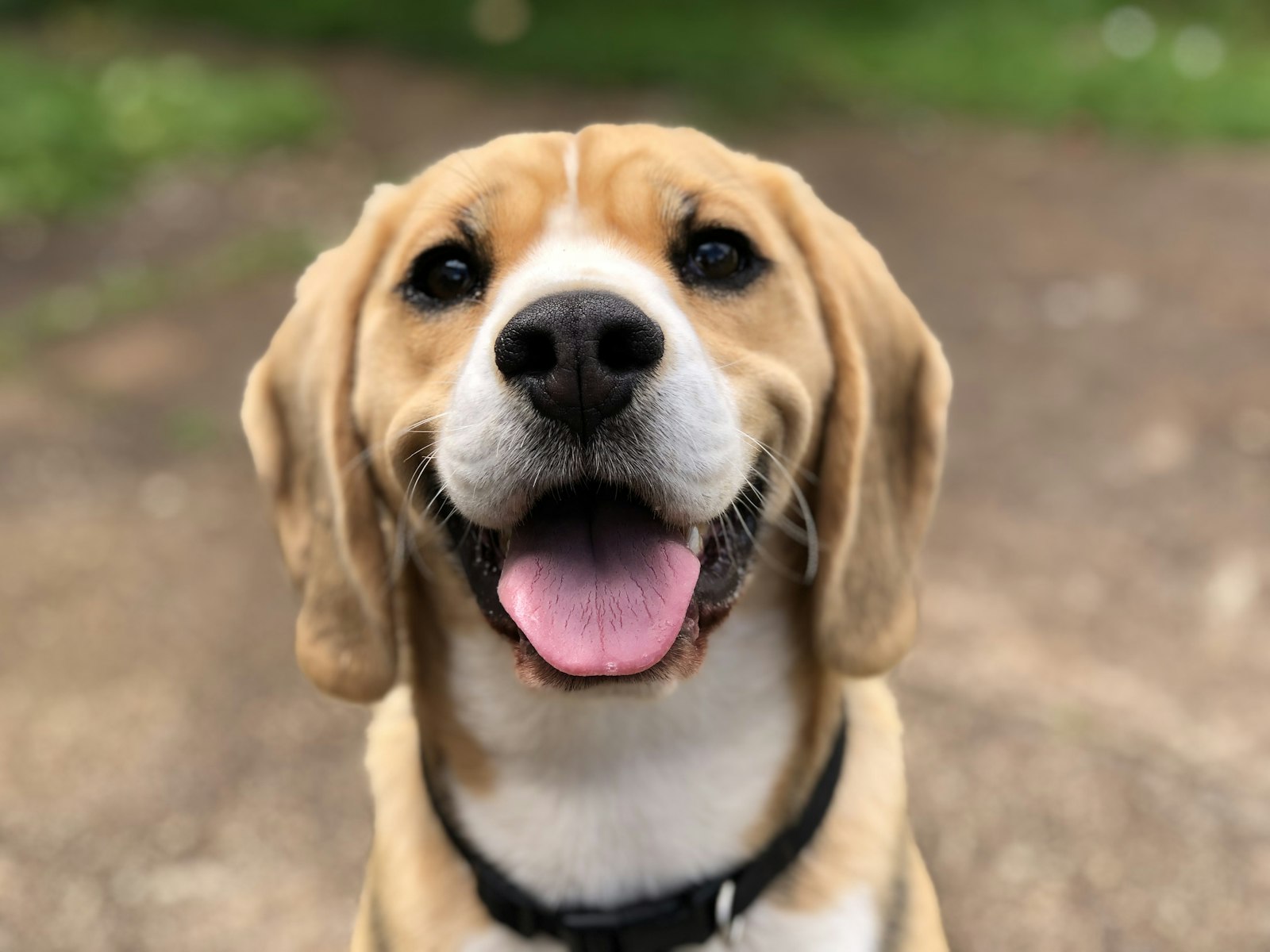
Loose-Leash Walking: One of the Most Useful Skills to Train
Loose-leash walking — a dog walking beside you without pulling on the leash — is simultaneously one of the most commonly requested training outcomes and one of the most commonly undertrained skills. Many owners assume that a dog will eventually learn to walk nicely through some combination of corrections, time, and persistence. In reality, loose-leash walking is a trained behavior that requires specific teaching, not the natural outcome of enough walks with an unpleasant consequence for pulling.
Why Dogs Pull
Understanding the problem helps solve it. Dogs pull on the leash because pulling works — when a dog pulls forward and the handler follows, the dog reaches the interesting smell, the other dog, or the next exciting thing faster. Every walk where pulling is rewarded with forward movement trains the dog to pull harder. The leash tension itself can also trigger an oppositional reflex: the harder you pull back, the harder many dogs pull forward. This is why yanking on the leash rarely produces lasting change.
The Foundation: Building the Concept That Tension Stops Movement
The core principle of most loose-leash walking methods is inverting the reward relationship: tension stops movement, slack continues it. When the leash tightens, you stop dead. When there's slack, you move forward. With consistency, the dog learns that pulling prevents forward movement while walking politely produces it.
Begin this in your yard or a very boring, low-distraction environment. Step forward. The instant there's any leash tension, stop completely. Stand still. Wait. The dog will eventually stop pulling and there will be a moment of slack. Immediately reward with movement forward ("Let's go!") and verbal praise. Repeat. In the first few sessions, you may barely get 10 feet in a 10-minute session — that's normal. Progress is slow initially but accelerates.
The Reward Position: Teaching the Dog Where to Be
Alongside the "tension stops movement" principle, reward the dog specifically for being in the position you want — typically at your left side with their head roughly even with your hip. Lure with a treat held at your side, click and reward when the dog is in position, and use a specific cue ("heel" or "let's go") when they're in the right place. This builds a rewarding position that the dog actively seeks rather than a correction they try to avoid.
Adding Forward Momentum: The Start Cue
Many dogs bolt forward the instant a walk begins, which immediately puts tension on the leash and reinforces pulling. Before stepping forward at any point — beginning of the walk, resuming after a stop — wait for your dog to check in with you (make eye contact or orient toward you). Only then say "let's go" and move. This replaces the "dart forward" pattern with a checking-in behavior.
Managing Distractions
Once loose-leash walking works in a low-distraction environment, gradually add challenges: busier sidewalks, other dogs at a distance, interesting smells. Increase distance from distractions when first adding them; as the dog succeeds, decrease distance. Use higher-value treats around distractions. The goal is the dog choosing to walk politely because it's the most reliably rewarded behavior, not because a correction is applying continuous pressure.
Consistency Is the Variable That Matters Most
Every walk where pulling is allowed (because you're in a hurry, or you let it slide once) partially resets the training. Consistency across all walks, all handlers, and all contexts is what produces genuine change. If your dog pulls for everyone else in the household while walking nicely for you, the training hasn't generalized — everyone needs to apply the same approach.