

Running with Your Dog: How to Build a Canine Running Partner Safely
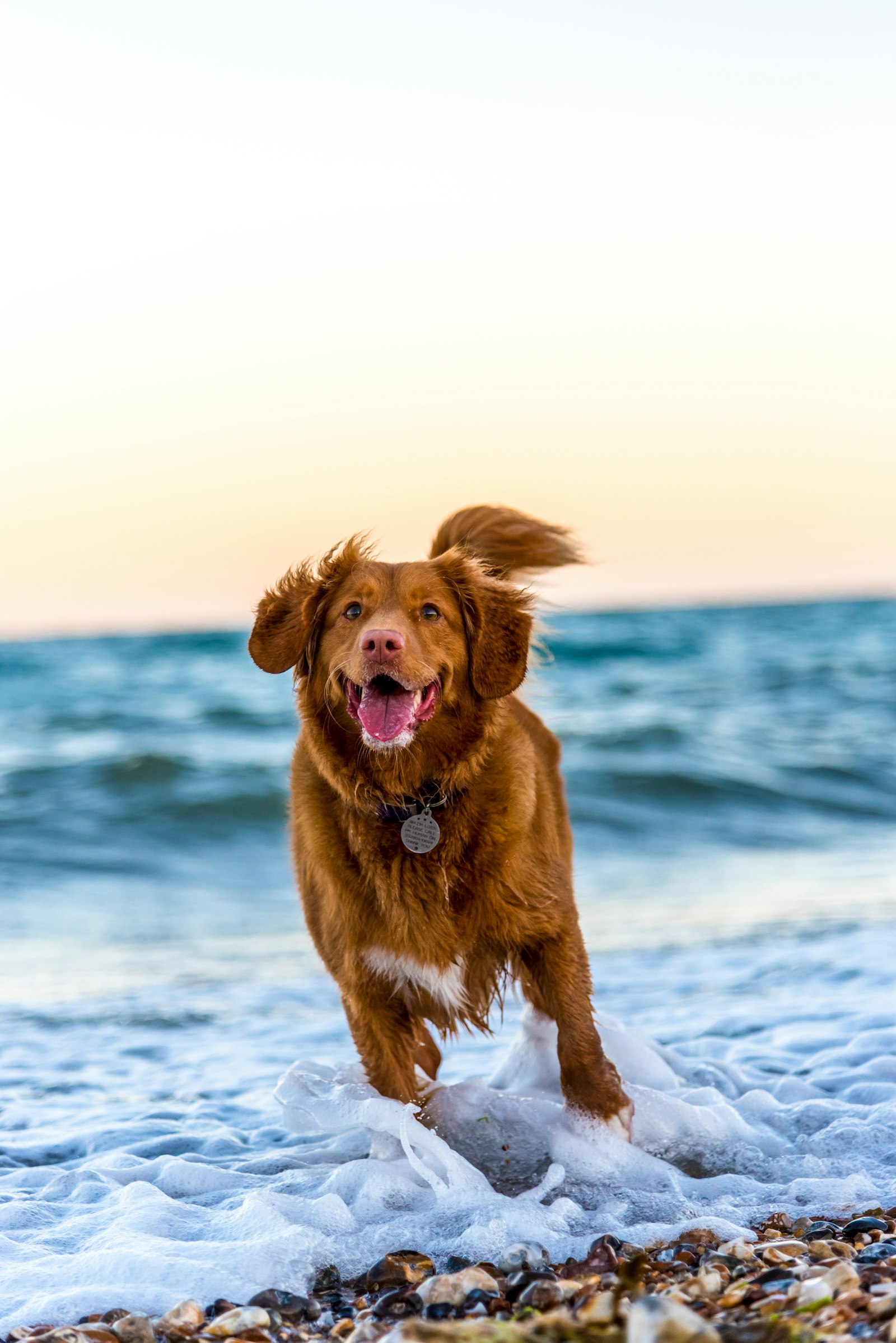
Is Your Dog Built for Running?
Not all dogs are designed to be distance running partners, and matching your running goals to your dog's physical capabilities is the starting point. Breeds built for sustained running include hounds like the Vizsla, Weimaraner, Rhodesian Ridgeback, and many sporting dogs. Brachycephalic breeds (Bulldogs, Pugs, French Bulldogs, Boston Terriers) have compromised airways that make sustained aerobic effort dangerous — these dogs are sprinters at best and should not be pushed into distance running. Giant breeds have joint and cardiovascular considerations that limit sustained high-impact exercise. Age also matters critically: puppies whose growth plates haven't closed (typically before 12-18 months depending on breed size) should not be doing sustained road running, as repetitive impact can damage developing joints.
Building Distance Gradually
Dogs who are new to running need a build-up period just as human runners do. A dog that seems energetically capable of a long run on the first outing is often running on adrenaline and excitement, and the physical consequences — soreness, overuse strain — may not appear for 24-48 hours. A conservative approach: begin with short run intervals mixed with walking, increase total running time by no more than 10-15% per week, and include easy days between harder efforts. Watch for behavioral signs of fatigue — slowing, lagging behind, excessive panting — and stop before these appear rather than after.
Gear and Safety
A hands-free running leash that attaches around your waist or hips is significantly safer than a handheld leash — it keeps your arms free and maintains a more stable connection point. A properly fitted harness reduces the risk of tracheal strain if the dog pulls. Running in early morning or evening during warm months keeps paw pads safe from hot pavement (test with the back of your hand — if you can't hold it on the pavement for 5 seconds, it's too hot for paws). Carry water for both of you on runs over 30 minutes.
Paw Care for Running Dogs
Regular road running toughens paw pads, but starting too fast can cause abrasions, blistering, or cracking. Inspect paws after each run during the build-up phase. Paw wax (like Musher's Secret) applied before runs provides some protection on rough or hot surfaces. In winter, paw wax also prevents ice ball buildup between toes and protects against road salt irritation.
When to Stop
Stop the run immediately if your dog: stops and refuses to continue, is panting excessively or with unusual heaviness, is vomiting or seems disoriented, is limping, or shows any signs of heat distress (drooling heavily, bright red gums, wobbly gait). Heat stroke in dogs can escalate rapidly and is a veterinary emergency. When in doubt, stop, move to shade, offer water, and assess.