

Reading Your Cat's Tail: What Every Position and Movement Means
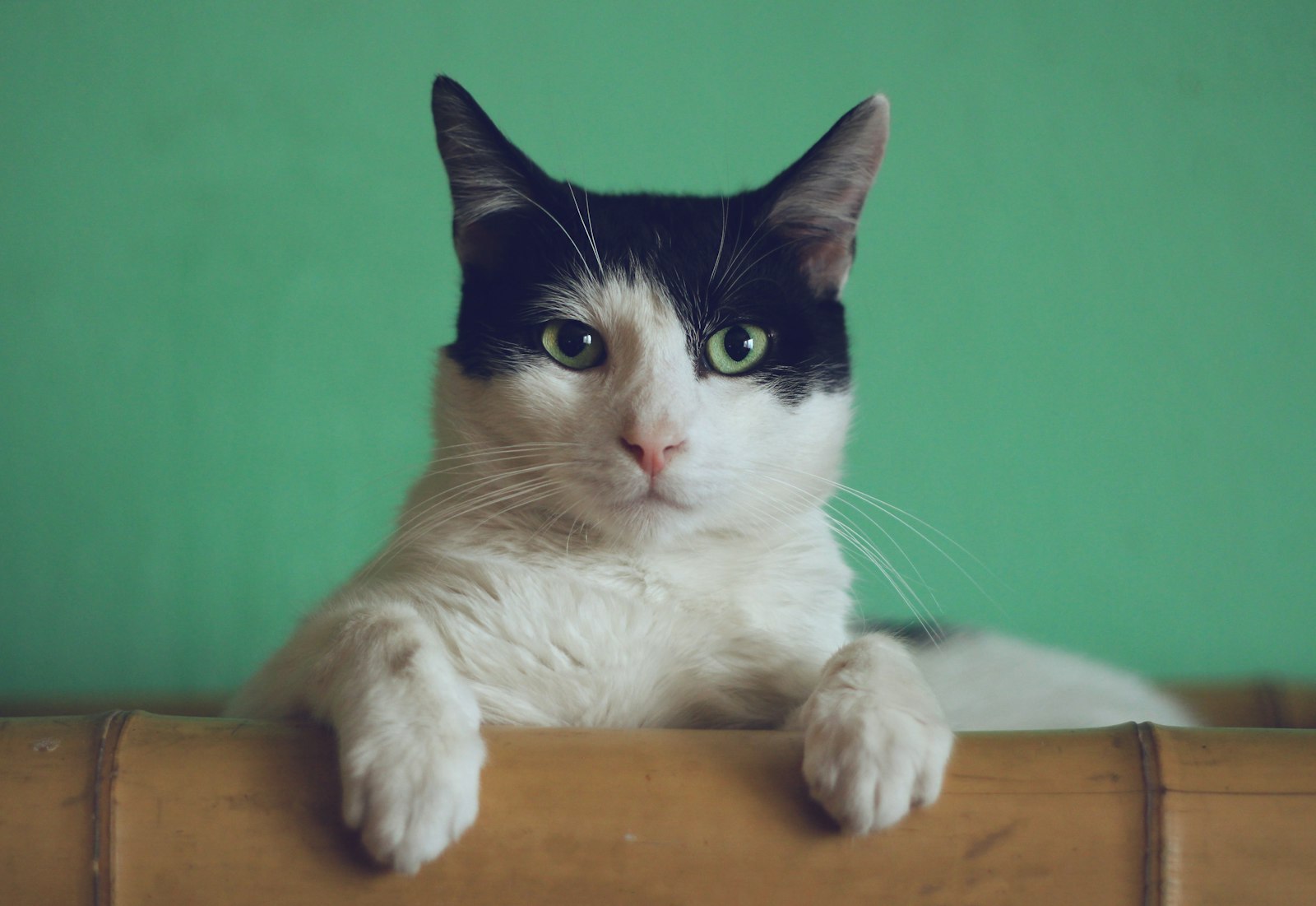
The Tail Is Your Cat's Emotional Antenna
Cats communicate constantly — through vocalizations, body posture, ear position, and facial expressions. But one of the most expressive and readable parts of their body is the tail. A cat's tail is in near-constant motion, shifting position, speed, and tension in response to their emotional state. Learning to read these signals accurately transforms your understanding of your cat and helps you respond appropriately to their needs.
Here's what every tail position and movement actually means.
Tail Straight Up: Confidence and Friendliness
A tail held straight up in the air, sometimes with a slight curl at the tip, is one of the clearest positive signals in feline body language. It communicates confidence, contentment, and social openness. When a cat approaches you with their tail upright like a flagpole, they're greeting you warmly — the feline equivalent of a friendly wave.
Cats in the wild use this signal with other cats they trust. If your cat greets you at the door with their tail up, they're genuinely happy to see you. Reciprocate with eye contact and a slow blink.
Tail Straight Up with Vibrating or Quivering
If the upright tail vibrates rapidly, your cat is experiencing intense positive emotion — extreme excitement and happiness. You'll often see this when a beloved person returns home after an absence, or right before a favorite meal is served. It's a sign of maximum feline enthusiasm, and it's completely endearing.
Tail Curved Gently Over the Back
A tail curved loosely over the back in a gentle arc indicates a relaxed, content cat. This is the tail position of a cat who is comfortable in their environment and at peace with what's around them.
Tail Held Low or Tucked
A tail carried low to the ground or tucked between the legs signals anxiety, submission, or discomfort. If you see this position, assess the environment: Is something stressing your cat? A low tail combined with flattened ears and a crouched body means the cat feels threatened or frightened and needs space and reassurance, not forced interaction.
Tail Puffed Up (Bottle-Brush Tail)
A tail that suddenly puffs up to double its normal size — sometimes called a "bottle-brush tail" or "Halloween cat tail" — indicates fear or intense arousal. The piloerection (hair standing on end) is an involuntary response that makes the cat appear larger to a perceived threat.
A puffed tail combined with an arched back means the cat feels threatened and is preparing to defend themselves. Give this cat space immediately. Trying to calm or restrain a cat in this state can result in bites or scratches.
Slow, Deliberate Side-to-Side Swishing
A tail swishing slowly from side to side in a deliberate, wide arc is often misread as contentment (people tend to equate tail wagging with happiness in dogs). In cats, it means the opposite: increasing irritation or focused concentration.
You'll see this when a cat is watching prey (a bird outside the window) or when they're becoming annoyed. If you're petting your cat and their tail begins this movement, it's a warning to stop before they escalate to biting or scratching.
Rapid, Lashing Tail
Fast, hard lashing from side to side is unmistakable: this is an agitated, angry cat. It signals that the cat has reached their threshold and may act defensively. Stop whatever you're doing, give the cat space, and allow them to calm down on their own terms.
Gentle Tail Flick at the Tip
A subtle twitch at just the very tip of the tail — while the rest of the tail remains relatively still — often indicates mild interest or curiosity. You'll see this when a cat is watching something with idle attention, not fully engaged but not uninterested either.
Tail Wrapped Around Another Cat or Person
When a cat wraps their tail around another cat's body or around your leg, it's an affiliative gesture — a sign of friendship, trust, and social bonding. Cats who do this to people are expressing genuine affection.
Combining Tail Signals with Other Body Language
Tail position is most accurate when read alongside other signals: ear position (forward = curious/confident, back = anxious/aggressive), eye shape (slow blink = trust, dilated pupils = fear or excitement, narrow pupils = arousal), and overall body posture (relaxed and low = calm, tense and high = alert or defensive).
Final Thoughts
Your cat is always communicating with you. Learning to read tail language accurately isn't just an interesting skill — it helps you respond appropriately to your cat's emotional state, avoid triggering defensive responses, and deepen the mutual understanding at the heart of the human-cat relationship.