

Maine Coon Care: Everything You Need to Know About This Gentle Giant
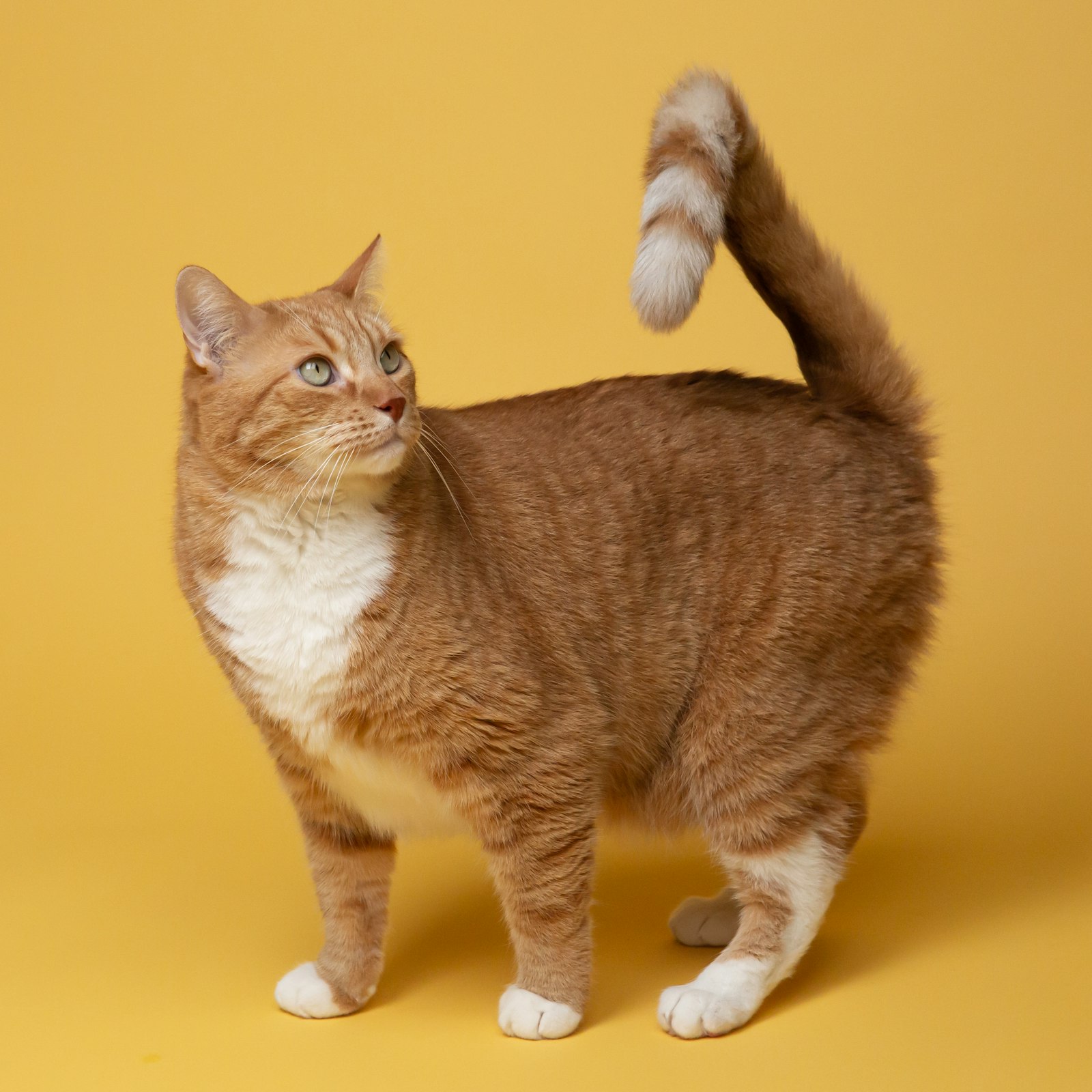
America's Native Giant
The Maine Coon is one of the largest domestic cat breeds, with males typically reaching 13-18 pounds (some reaching 20+ pounds) and a muscular, semi-longhaired build developed for survival in the harsh New England climate. Despite their impressive size, Maine Coons are known for a remarkably gentle temperament, strong dog-like loyalty to their people, and a distinctively chirping, trilling vocalization style quite unlike the typical cat meow. They're consistently one of the most popular breeds in the United States, and for good reason.
Coat Care
The Maine Coon's semi-long coat is designed to be relatively self-maintaining — it has less undercoat than many longhaired breeds and doesn't mat as easily. That said, weekly brushing is necessary to prevent tangles, particularly in the ruff (neck area), belly, and leg feathering. During seasonal shedding periods (typically spring and fall), more frequent brushing significantly reduces shedding in the home. A slicker brush and a wide-tooth metal comb are the two essential grooming tools. Most Maine Coons accept grooming well when introduced to it as kittens.
Health Considerations
Maine Coons have two significant breed-specific health concerns. Hypertrophic cardiomyopathy (HCM) — a thickening of the heart muscle — has a genetic component in Maine Coons, with a specific mutation (MyBPC3-A31P) identifiable by DNA test. Responsible breeders test breeding cats and don't breed positive carriers. Regular echocardiograms from age 2 onward are recommended for all Maine Coons. Hip dysplasia occurs at higher rates in Maine Coons than in most cat breeds and can cause reduced mobility and pain in affected cats. Maintaining a healthy weight significantly reduces joint stress.
Personality and Living with a Maine Coon
Maine Coons are highly social, often described as dog-like in their tendency to follow their owners around, play fetch, and learn leash walking. They generally do well with children and other pets, including dogs. They retain a kitten-like playfulness well into adulthood. Their size means they need robust, sturdy furniture; most standard cat trees aren't built for an 18-pound cat. Wall-mounted shelving or heavy-duty cat furniture rated for large cats is worth the investment.
Nutrition and Growth
Maine Coons grow slowly, reaching full size at 3-5 years (compared to 1-2 years for most breeds). Feeding a high-protein diet appropriate for their life stage and monitoring caloric intake carefully is important — their larger frame can mask early obesity. Regular vet weigh-ins are more meaningful than visual assessment for a cat with a heavy coat and substantial frame.