

How to Wash and Groom a Dog at Home Like a Pro
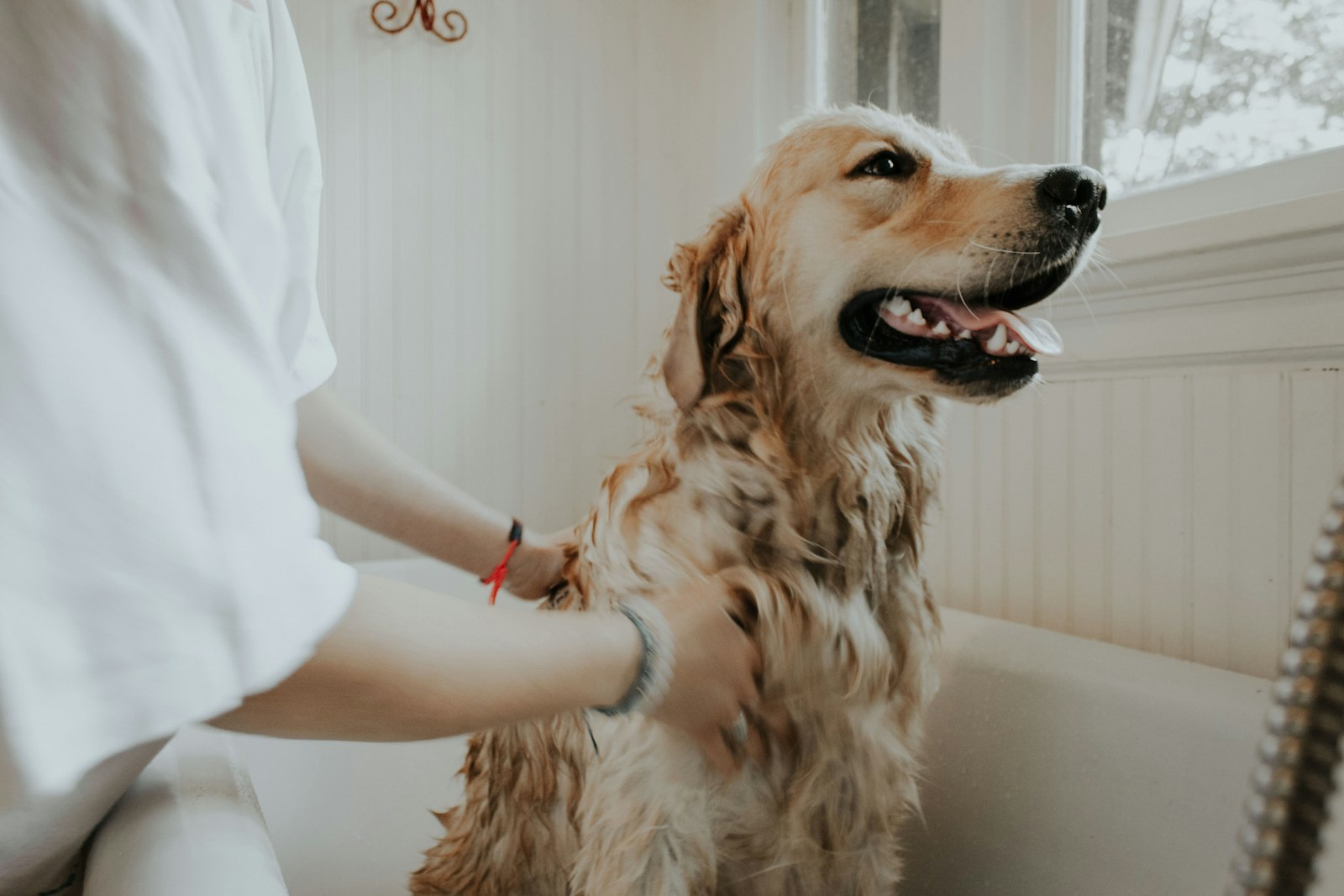
Setting Up for Success
Home dog bathing has a setup phase that determines everything else. The biggest failures: attempting to bathe a large dog in a space that's too small to control them; having to stop mid-bath to get something you forgot; not having enough dry towels ready; and not confining the dog after the bath, resulting in a wet dog rolling on every piece of furniture in the house. Gather everything before starting: shampoo and conditioner (if used), 3-4 large towels, a leash or bath tether if needed, a cup for rinsing, and treats. The bathroom with the door closed is the safest environment for most dogs.
Water Temperature and Wetting Down
Lukewarm water — comfortably warm to the inside of your wrist, never hot. Cold water is a major cause of bath resistance in dogs. Wet the dog thoroughly before applying shampoo, working from the neck down the body and then the legs. Avoid getting water in the ears (cotton balls placed loosely in the ear canals before bathing prevent water entry). Face washing is often best done last with a damp cloth rather than direct spray, to avoid water and product in the eyes.
Shampoo Selection and Application
Use a dog-specific shampoo — human shampoos have pH levels that can disrupt a dog's skin barrier. For most dogs, a gentle, fragrance-free formula is appropriate. Medicated shampoos (antifungal, antibacterial, soothing oatmeal formulas) are available for specific conditions. Apply shampoo after diluting it 1:5 with water in a squeeze bottle for even application and easier penetration to the skin on double-coated dogs. Massage through the coat to skin, leave for 3-5 minutes, then rinse — thoroughly. Shampoo residue is a significant cause of post-bath itching and skin irritation.
Drying
Towel dry as thoroughly as possible. A high-velocity dog dryer (available for home use) significantly outperforms human hair dryers and is much faster than air drying. Human blow dryers can overheat skin — keep on the cool or low-heat setting and keep moving constantly. Never dry a dog inside the ears with a blow dryer. Allow the dog to fully dry before allowing outdoor access in cold weather, as wet coats lose insulating value significantly. Brush through the coat as it dries to prevent matting in long-coated breeds.