

How to Choose the Right Brush for Your Pet's Coat Type
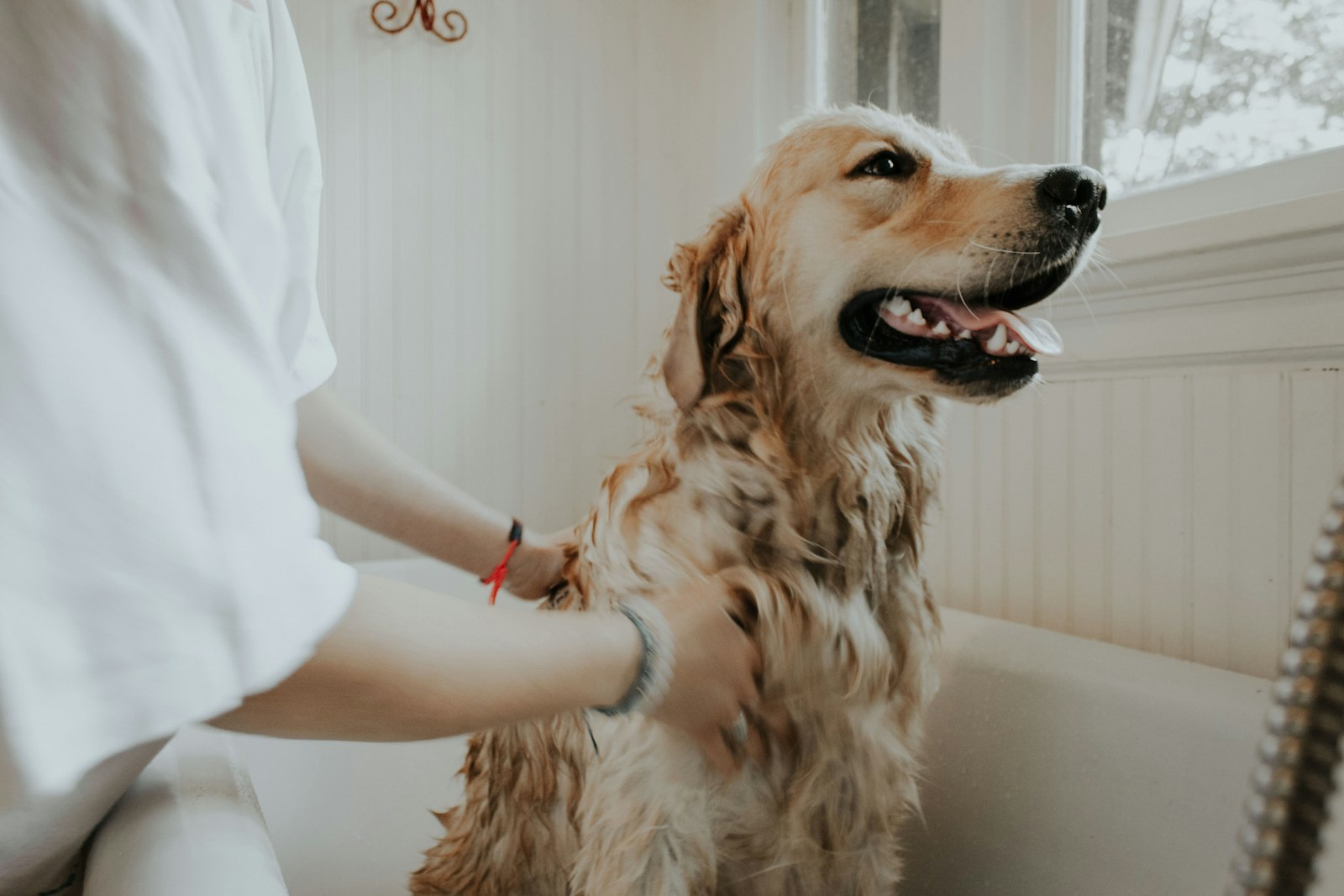
The Right Tool Makes All the Difference
One of the most common grooming mistakes pet owners make is using the wrong brush for their pet's coat type. The wrong tool doesn't just fail to do the job — it can actually damage the coat, cause discomfort, or even injure the skin. Understanding your pet's coat and matching it to the right grooming tool is the foundation of effective home grooming.
In this guide, we'll walk through the major coat types in dogs and cats, explain the different brush types available, and help you find the best match for your specific pet.
Understanding Pet Coat Types
Before buying a brush, you need to identify what kind of coat your pet has. Coats generally fall into these categories:
Short, smooth coats (Beagles, Labrador Retrievers, Siamese cats): Lie flat against the body, minimal shedding management needed but can still benefit from regular brushing.
Medium-length coats (Golden Retrievers, Australian Shepherds, Domestic Shorthair cats with dense undercoats): Prone to tangles and moderate to heavy shedding. Need more frequent brushing.
Long, flowing coats (Afghan Hounds, Yorkshire Terriers, Maine Coons, Persians): Tangle and mat easily. Require daily brushing to prevent serious knots.
Double coats (Huskies, German Shepherds, many Nordic and herding breeds): Have a dense, insulating undercoat beneath a coarser outer coat. Heavy shedding, especially seasonally.
Curly or wavy coats (Poodles, Bichons, Doodle mixes): Don't shed much but mat easily. Need regular brushing and professional grooming.
Wire or rough coats (Terriers, Schnauzers): A harsh, bristly outer coat with a soft undercoat. Require specific tools and occasional hand-stripping.
Types of Brushes and Their Best Uses
Slicker Brush
The slicker brush is probably the most versatile grooming tool, and it's what most people picture when they think of a pet brush. It has a flat or slightly curved pad covered with fine, short wire pins set close together.
Best for: Medium to long coats, double-coated breeds, and removing loose fur, mats, and debris. Works well on most dogs and longhaired cats.
Avoid for: Very sensitive skin without a protective coat layer, or extremely short smooth coats where it offers little benefit.
Tip: Use gentle, short strokes and avoid pressing too hard — the pins can scratch the skin if used with too much pressure.
Bristle Brush
A bristle brush has natural or synthetic bristles clustered together, similar to a hairbrush. Bristle density and spacing vary, with tighter, stiffer bristles for short coats and softer, wider-spaced bristles for longer coats.
Best for: Short, smooth coats (Boxers, Dobermans, short-haired cats). Excellent for the finishing pass — distributes natural oils, adds shine, and removes surface dust and loose hair.
Pin Brush
Similar to a slicker brush but with longer, more widely spaced pins that are usually topped with rubber or plastic tips. The design is gentler and less dense.
Best for: Medium to long coats, curly coats, and finishing after dematting. Particularly useful for longhaired cats and dogs with flowing coats like Yorkies and Spaniels.
Deshedding Tool (Undercoat Rake / FURminator-style)
These tools are specifically designed to reach through the top coat and remove loose undercoat hair before it ends up on your furniture. They come in different blade depths for different coat lengths.
Best for: Double-coated breeds with heavy undercoats — Huskies, German Shepherds, Samoyeds, Golden Retrievers, and longhaired cats.
Caution: Don't overuse these tools. Using a deshedding tool too frequently or too aggressively can thin the coat unnaturally. Limit use to once or twice a week during heavy shedding seasons.
Dematting Comb / Rake
These tools have widely spaced teeth designed to work through tangles and small mats without pulling too harshly on the skin.
Best for: Long, mat-prone coats including Persians, Maine Coons, Collies, and Poodles. A must-have if your pet regularly develops mats.
Rubber Curry Brush / Grooming Glove
These soft rubber tools use nubs to massage the skin and loosen dead hair. Many pets love the feeling because it mimics a massage.
Best for: Short, smooth-coated dogs and cats, or as a first grooming introduction for pets that are nervous about brushing. Also excellent for bath time to help work in shampoo.
Building a Grooming Routine
Consistency is key to effective grooming. Short daily sessions are far better than infrequent long ones, which can turn into stressful matting-removal battles. Start grooming early in your pet's life and always pair it with positive reinforcement — treats and praise make grooming something to look forward to.
Always check between toes, behind ears, under the armpits, and around the collar area — these are the spots where mats most commonly form.
Final Thoughts
Investing in the right brush for your pet's coat type is one of the most practical things you can do for their health and comfort. Good brushes, used consistently and correctly, keep coats healthy, minimize shedding around the house, and give you the opportunity to spot skin issues, lumps, or parasites early. When in doubt, ask your groomer or veterinarian for a personalized recommendation based on your pet's specific coat.