

Cat Mouth Odor: When Bad Breath Signals a Serious Problem
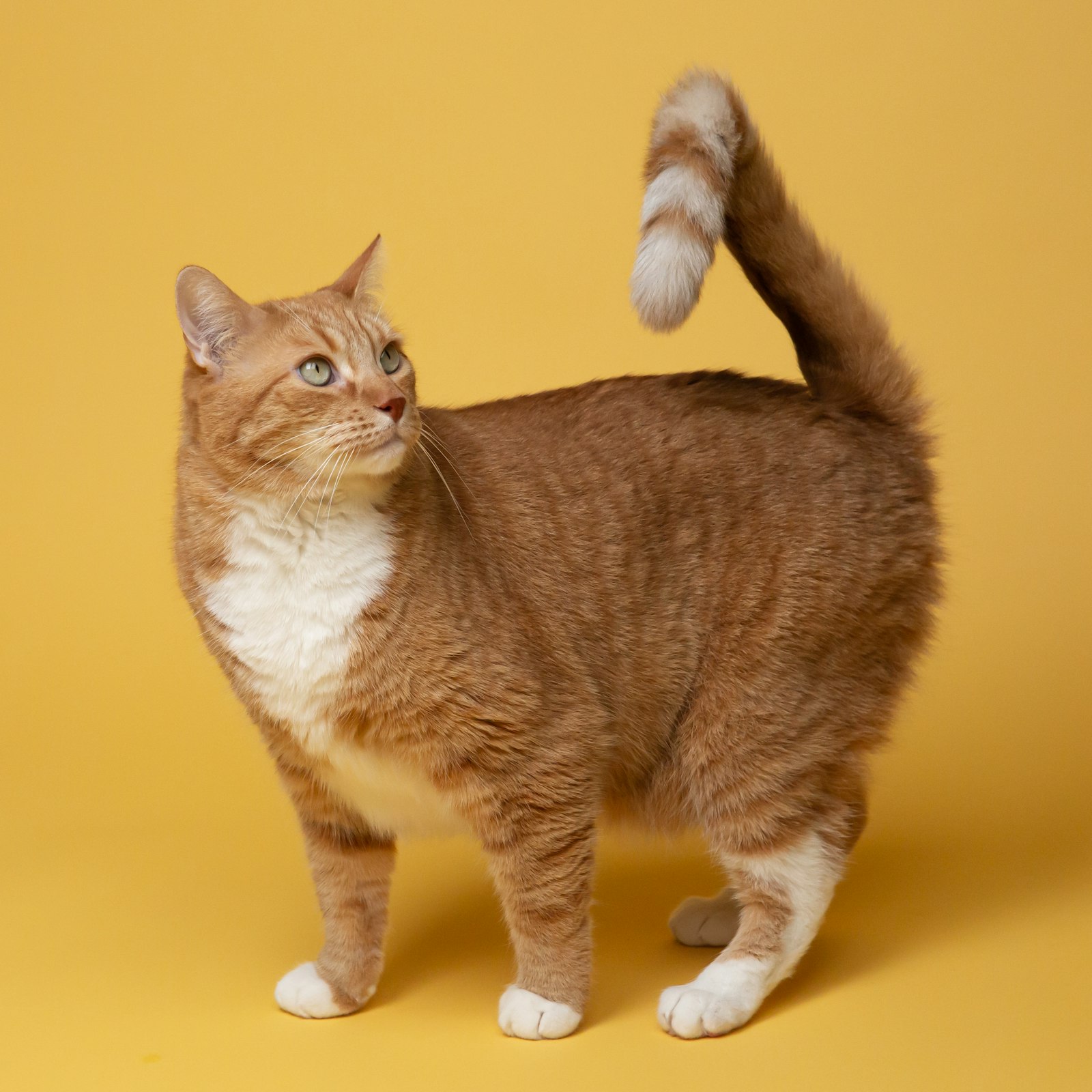
Normal Cat Breath vs. Problem Breath
No cat has minty-fresh breath — a mild smell associated with their food and digestive process is normal. What's not normal: breath that is consistently foul, strongly fishy beyond their diet, sweet or fruity, ammonia-like, or that has changed noticeably from the cat's baseline. Significant oral odor in cats almost always reflects either dental disease or a systemic condition that deserves prompt evaluation.
Dental Disease: The Most Common Cause
As discussed in previous dental health articles, the majority of adult cats have some degree of periodontal disease. The bacteria involved in dental disease produce volatile sulfur compounds (VSCs) that create characteristically foul breath. Tartar and calculus accumulation, gingivitis, and advanced periodontitis all worsen breath odor. The degree of odor often reflects the severity of disease. Feline stomatitis — an immune-mediated condition causing severe inflammation throughout the mouth — produces particularly severe oral odor and is extremely painful.
Breath Odor That Signals Systemic Disease
Ammonia or urine-like breath is associated with kidney disease. The kidneys normally filter nitrogenous waste from the blood; when they fail, uremic compounds build up and are exhaled. This is a serious finding and warrants immediate veterinary evaluation. Sweet or fruity breath can indicate diabetic ketoacidosis (DKA), an emergency in diabetic cats. Fecal breath can indicate intestinal obstruction or oral-gastrointestinal reflux. Any of these non-dental breath odors should prompt an urgent veterinary call, not a wait-and-see approach.
Oral Ulcers and Lesions
Oral ulcers — from calicivirus infection, stomatitis, immune-mediated conditions, or certain toxin exposures — cause foul breath along with drooling, difficulty eating, and pawing at the mouth. Cats who stop eating, are drooling more than usual, or show reluctance to let anyone near their face may have oral pain from ulcers or other lesions that require veterinary examination.
What You Can Do
At home: daily or every-other-day tooth brushing with cat-specific enzymatic toothpaste is the most effective preventive measure. Dental chews with VOHC approval have supporting evidence. For established dental disease: a professional cleaning under anesthesia is the only treatment that addresses existing tartar and periodontal disease below the gumline. For breath that suggests systemic disease, veterinary evaluation takes priority over dental cleaning.