

Cat Body Language Decoded: Ears, Tail, Eyes, and Posture Signals
Why Cats "Speak" With Their Bodies
Cats are not naturally vocal communicators with each other as adults; most adult cat-to-cat communication is body language, scent, and posture. The meowing humans hear from cats? It’s largely a behavior that developed through cat-human coevolution — cats discovered that vocalizing gets human attention. To understand what your cat is actually communicating — especially to other cats or in ambiguous situations — you need to read their body language, not their vocalizations.
Ear Positions
Ears are one of the clearest feline signals. Forward-facing ears: alert, curious, or content. Ears rotated sideways (airplane ears): mild irritation, overstimulation, or ambivalence — a warning to slow down. Ears flat back against the head: fear, aggression, or defensive aggression — this cat feels threatened. Combining ear position with other signals tells the complete story: ears back with a puffed tail is defensive fear; ears back with direct stare and stiff body is offensive threat.
Tail Signals
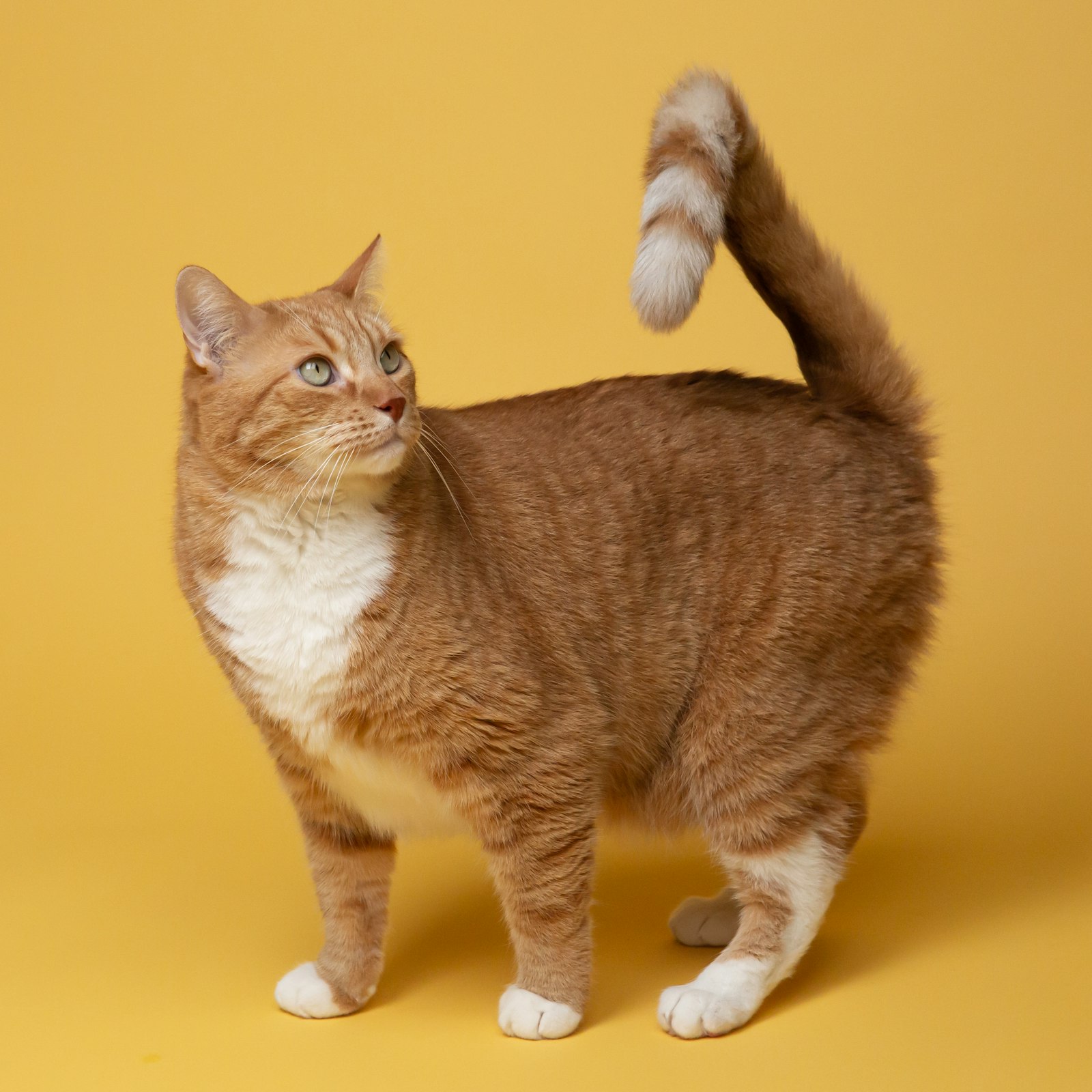
Tail held high, tip slightly curved: confident, happy greeting — this is a cat who is pleased to see you. Tail low, tucked: fear or submission. Tail puffed (piloerection): fear response — the cat is trying to look larger. Tail lashing or thumping: irritation or rising arousal — if you’re petting and the tail starts lashing, stop. Slow, gentle tail movement while relaxed: engaged but calm. The classic "slow tail flick while sitting in a sunny window" is a cat processing sensory input, not necessarily irritated.
Eyes and Slow Blinks
Slow blink: the famous cat slow-blink is a genuine signal of relaxation and trust. You can slow-blink back — research supports that cats respond positively to human slow-blinks. Dilated pupils in a non-dark environment: excitement, fear, or arousal. Constricted pupils: relaxed in light, or focused in a threatening context. Soft, half-closed eyes: contentment and trust. Direct, unblinking stare in cat communication is a threat; slow blinking breaks the tension.