

Bathing Your Dog Without the Drama: Tips for a Stress-Free Bath Time
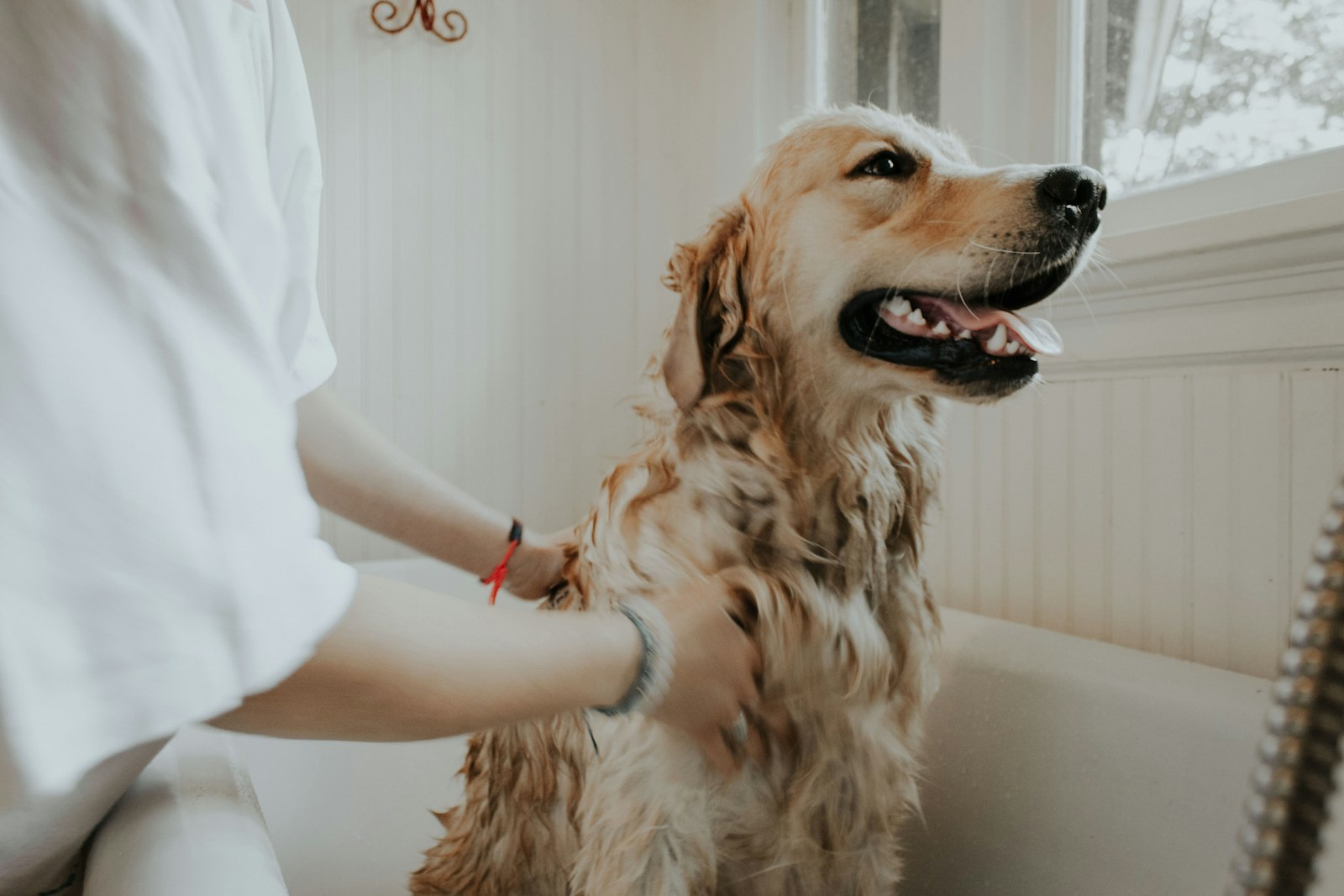
Why So Many Dogs Hate Baths — And What You Can Do About It
For many dogs, bath time is a source of real anxiety. The slippery surfaces, the confined space, the wet sensation, the sound of running water, and the smell of shampoo all combine into a stressful experience, especially for dogs that were never systematically introduced to bathing. The good news: bath stress is almost always preventable with the right desensitization approach, and even anxious adult dogs can learn to tolerate — and sometimes genuinely enjoy — being bathed.
How Often Should You Bathe a Dog?
Less often than you might think. Most dogs need a full bath every 4-6 weeks; over-bathing strips the natural oils from the skin and coat, causing dryness and irritation. Short-coated breeds with low odor can go longer between baths. Dogs that spend a lot of time outdoors, swim regularly, or have skin conditions may need more frequent bathing with a shampoo appropriate to their needs. Between baths, spot-cleaning with pet-safe wipes is often sufficient for localized dirt.
Setting Up for Success
Non-slip surface: The single biggest source of bath anxiety for many dogs is slipping. A rubber bath mat in the tub or a non-slip mat in the shower changes everything. A dog that can stand securely is a much calmer dog.
Pre-bath brush: Brush your dog thoroughly before the bath. Wet mats become rock-solid and nearly impossible to remove. Getting out tangles first makes the entire grooming process easier.
Water temperature: Lukewarm, not hot. Dog skin is more temperature-sensitive than ours. Test the water temperature on your inner wrist before wetting your dog.
Handheld sprayer: A shower attachment or handheld sprayer gives you much more control than pouring cups of water. Most dogs find a gentle spray less alarming than being doused from above.
Desensitization for Bath-Anxious Dogs
If your dog is genuinely distressed by bathing, the fastest path to improvement is systematic desensitization, not forcing them through it. Start by just bringing your dog to the bathroom and rewarding them with treats for entering calmly. Then get them comfortable standing in the empty tub or shower. Then introduce the sound of the water without wetting them. Gradually add each element of the bath over multiple sessions before combining them into a full bath. Patience during this process saves enormous stress for both of you in the long run.
During the Bath
Wet the coat thoroughly, working from neck to tail. Apply shampoo in the same direction and lather well, getting down to the skin rather than just the surface coat. Rinse thoroughly — shampoo residue left in the coat causes itching and skin irritation. Clean the face last with a damp cloth rather than direct water spray, which many dogs find uncomfortable around the face. Keep water out of ears by placing a small cotton ball loosely at the ear opening before bathing.
Drying
Towel dry first to remove excess water. If using a blow dryer, use the lowest heat setting and keep it moving constantly — never concentrate heat on one area. Introduce dryers the same way you would any new tool: let the dog hear and see it at a distance before getting closer, pairing exposure with treats.
High-Value Treats Are Your Best Tool
Throughout the entire bath, keep feeding high-value treats (something better than everyday kibble — think small pieces of chicken, cheese, or commercial training treats) continuously. A dog that associates bath time with a stream of excellent treats develops a fundamentally different emotional response to the experience over time.