

Adult Dog Socialization: How to Help a Dog That Missed Early Training
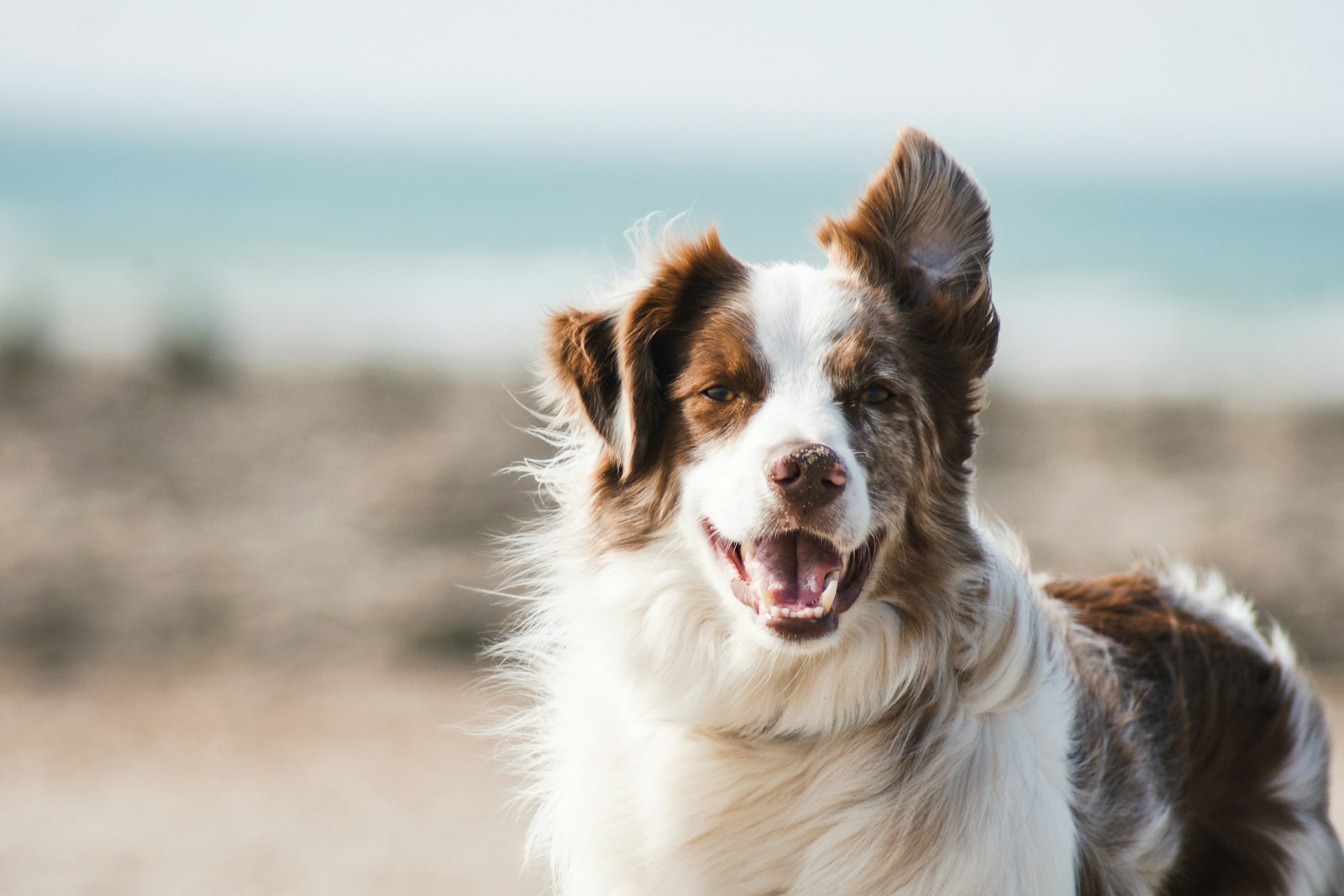
It's Never Too Late to Socialize Your Dog
The ideal window for puppy socialization is between 3 and 14 weeks of age. During this period, puppies are biologically primed to form positive associations with new experiences, forming a social template they'll carry throughout their lives. But what about dogs who missed this window — puppies who weren't exposed to much, rescue dogs with unknown histories, or adult dogs who developed fear or reactivity over time?
The good news is that while adult socialization is more challenging than puppy socialization, it is absolutely possible — and it can produce genuine, lasting improvements in a dog's confidence and behavior. The approach is simply different.
Understanding Why Adult Dogs Struggle
An undersocialized adult dog isn't being difficult or stubborn — they are experiencing genuine fear. Their nervous system treats unfamiliar people, dogs, sounds, or environments as potential threats because they were never given enough positive exposure to learn otherwise. The fear response — fight, flight, or freeze — is involuntary, and punishing or forcing a fearful dog into scary situations makes things significantly worse.
Success with adult socialization requires patience, consistency, and working at the dog's pace — not yours.
The Foundation: Counter-Conditioning and Desensitization
The two evidence-based techniques at the heart of adult socialization are desensitization and counter-conditioning, typically used together.
Desensitization means exposing the dog to the feared stimulus at a very low intensity — far below the level that triggers a fear response. If your dog reacts to other dogs, start at a distance of 50 meters rather than 5.
Counter-conditioning means pairing the scary thing with something the dog loves (usually high-value food) to build a new, positive emotional association. The pairing must be consistent: scary thing appears, good food appears. Scary thing disappears, food disappears. Over time, the dog begins to feel positive rather than fearful when they see the previously scary stimulus.
Combined, these techniques gradually shift the dog's emotional response from fear to neutrality or even positive anticipation.
Step-by-Step: Socializing to Other Dogs
Step 1: Identify the threshold. Find the distance at which your dog notices another dog but does not react (no barking, lunging, or hard staring). This is the starting distance.
Step 2: Pair at threshold. At that distance, the moment your dog sees the other dog, begin delivering high-value treats (chicken, hot dog, cheese) continuously. Stop when the other dog moves out of sight.
Step 3: Repeat and reduce distance slowly. With many repetitions, the dog's threshold will decrease. Gradually reduce the distance as the dog becomes more comfortable — always keeping below the reactive threshold.
Step 4: Parallel walks. Once comfortable at moderate distances, try walking parallel to a calm, friendly dog at a comfortable distance. Gradually reduce the gap over many sessions.
Socializing to People
Never force a fearful dog to accept petting. Instead, have new people crouch sideways (direct approaches and eye contact are threatening to dogs), toss treats on the ground near the dog without reaching for them, and let the dog approach entirely on their own terms. If the dog approaches, they can drop treats near the dog's feet. Any petting should be brief, under the chin or on the chest (not the top of the head), and stopped immediately if the dog shows any discomfort signal.
Managing Expectations
Adult socialization is a marathon, not a sprint. A dog who was undersocialized for two years won't transform in two weeks. Celebrate small wins — a previously reactive dog who glanced at a stranger and looked back at you for a treat has just made enormous cognitive progress. Track progress over months rather than individual sessions.
Some dogs — particularly those with early trauma or certain genetic predispositions — may never be fully comfortable in all situations. The goal is not perfection but a better quality of life and a more manageable dog.
When to Work with a Professional
If your dog's reactivity is severe, escalating, or involves aggression toward humans, work with a certified professional dog trainer (CPDT-KA) or veterinary behaviorist. Medication may also be recommended alongside behavior modification for dogs with significant anxiety — not as a replacement for training, but as a support that makes the dog more emotionally accessible to learning.
Final Thoughts
Every positive experience you create for your adult dog builds new neural pathways and shifts their perception of the world from threatening to safe. With consistency, patience, and the right approach, almost every dog can make meaningful progress — and the confidence that develops through successful socialization is one of the greatest gifts you can give them.